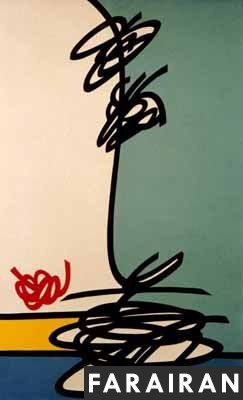
Farairan’ Choice Kourosh Shishegaran
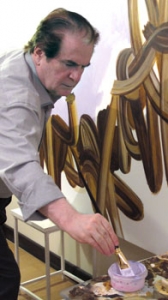
Born in 1945, Qazvin – Iran.
Education:
Diploma from School of Fine Arts, Tehran
BA in Decorative Art, Art University, Tehran
Awards:
– Honorary certificate from United Nations for poster of “Peace in Lebanon”.
– Winner of the 1st prize in the “Painting Universal Millennium Competition” in Iran.
– Certificate of Merit from The First Painting Biennial of the Islamic World, 2000
Solo Exhibitions:
1973 Mes Gallery, – Dr. Beheshti University
1974 Messe Gallery,
1976 Iran Gallery & Messe Gallery,
1978 Exhibition under title “Art for Production”,
1989 Classic Gallery,
1990 Drawing exhibition on war in Golestan Gallery.
1992 Painting exhibition in Golestan Gallery.
1996 Arya Gallery,
1997 Painting exhibition in Golestan Gallery,
2006 Painting exhibition in Khak Gallery,
2007 Painting exhibition in Khak Gallery,
2012 Opera Gallery, London
Group Exhibitions (more than 70):
1973 Tehran International Painting Exhibition,
1975 Painting exhibition for the 10th anniversary of Iran Gallery,
1976 Painting exhibition for the 14th anniversary of Messe Gallery,
1977 International Painting Exhibition in Washington – USA,
1978 International Painting Exhibition in Switzerland,
1976 Poster exhibition.
1979 Poster exhibition in Tehran university,
1979 Poster exhibition in Iran Researchers Association
1979 Poster exhibition in Iran Authors Association,
1990 Painting exhibition in Tehran Museum of Contemporary Art,
1990 Iran contemporary Painting Exhibition in Azin gallery,
1990 Painting Exhibition in Tehran Museum of Contemporary Art,
1991 The 1st Iran Painting Biennial,
1992 Iran Contemporary Painting Exhibition in Tehran International Fair,
1993 Iran Contemporary Painting Exhibition in Tehran International Fair,
1993 Painting exhibition in Dubai,
1993 Painting exhibition in Barg gallery,
1995- Iran Contemporary Drawing Exhibition in Barg Gallery,
1996 Painting Exhibition in Barg Gallery,
1998 Iran Contemporary Art Exhibition in Gheshm Island,
1998 Iran Contemporary Art Exhibition in Turkmanestan,
1999 Iran Contemporary Art Exhibition in London,
1999 Iran Contemporary Art Exhibition in Switzerland,
1999 The 9th Asian Art Biennale Bangladesh,
1999 Iran Contemporary Drawing Exhibition in Tehran Museum of Contemporary Art,
1999 Iran Contemporary Drawing Exhibition in Barg Gallery,
1999 Painting Exhibition in Tarrahan Azad Gallery,
1999 Painting Exhibition in Iran Artists Organization Gallery,
2010 Group Exhibition, Van Gough’s Ear, 10 Gallery, Tehran
2010 Group Exhibition, Mona Lisa, 10 Gallery, Tehran
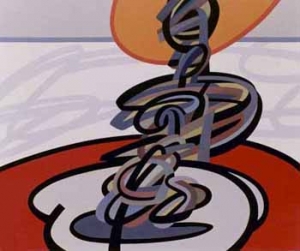
Koroush Shishegaran was born in 1945 in an artisan family. In contrast to what his surname implies in Persian, glass-workers, his ancestors were gun-makers and he had watched his grandfather masterfully engraving gol-o-boteh (flowers and bushes) on guns in his childhood. His father too was a creative artisan, an expert in plastic work who could apply plaster directly to the wall to produce reliefs of the same gol-o-boteh patterns. He began painting when still a child; on noticing Koroush’s passion for painting his school headmaster advised him: “If you want to become a painter, try to be an educated painter.”
“I realized I love painting and it must have been an unusual love, otherwise with all the hardship I experienced because of it, I would have definitely given it up by now.”
Vishkaee, Vaziri Moghadam, Kazemi, Ghahari, Davoudi and Golzari were his teachers who initiated him to Modern painting. After obtaining his diploma in painting, he entered Art University and studied Interior Design at the Faculty of Decorative Arts. Before graduation, however, he abandoned academic studies for two years in order to experience and study on his own. This makes up the first period of his artistic activity which he calls ‘mass production’ because with this idea that art is created for people, he “mass-produced” his paintings. The main works of this period (early 70s), however were serenely painted surfaces –in gray or dark blue- with simple small objects such as a chair or a car decorating them. Minimalist in style these works were meticulously executed, but perhaps “not that beautiful.”
He held his first exhibition at Mes Gallery in 1973, and at the end of the exhibition he gave his works to people and certain state institutes for free after.
During the second period of his work, inspired by Western art masters and Reza Abbasi, Shishegran executed and reproduced their works in his personal style and technique: “The general goal of the exploration and search was to earnestly reproduce the works of certain artists with another painter’s technique, style and knowledge; in other words to see whether it is possible to show the works of different painters from different countries, with different techniques, styles, philosophies under a single world-view and approach. (2)
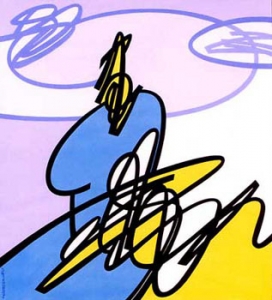
These works were simultaneously exhibited at Iran, Mes Galleries and Kakh Javanan (palace of youth) in the north and south of Tehran (1976).
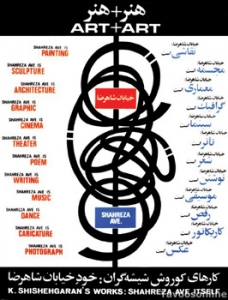
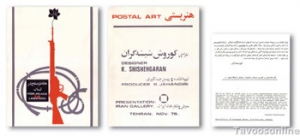
Then pursuing the same approach, he appealed to poster-design: “The idea was if a graphic designer omits commissioners and instead tries to express social political questions of his/her society, then surely poster could have a far greater influence than painting which is a rather private, recreational and perhaps ceremonial phenomenon.” Thus he ‘mass-produced’ his poster called. “Shahreza Street is art” and displayed it all along Shahreza Street (now called Revolution Street) (1976). He also produced and replicated a poster titled “For the sake of peace in Lebanon” on which he had painted a red gun with a black flower, this time not only displaying it all over the city of Tehran, but also sending it as a postcard to various individuals, and political, social and media centers throughout the world, including United Nations.
On receiving a letter of appraisal from UN, he was encouraged to continue this technique for which he coined the word “Postal Art.” He also produced six other posters calling them False Art displaying them at a World art fair in US in 1977.
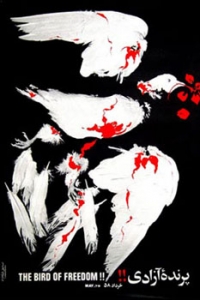
During the revolution Shishegaran designed four posters, including “Freedom of Press” and because no printing house was ready to print it, together with his brothers, he replicated and distributed them widely. He calls this period of his creativity “Art + Art.”
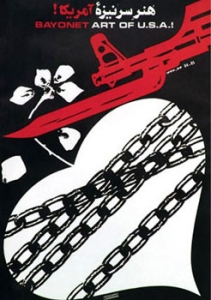
After the revolution he continued designing and printing social posters with his brothers Behzad and Esmail in a larger scale until 1981, producing a total of 40 posters in this period. This led to their arrest with Shishegaran being condemned to one and half years of imprisonment.
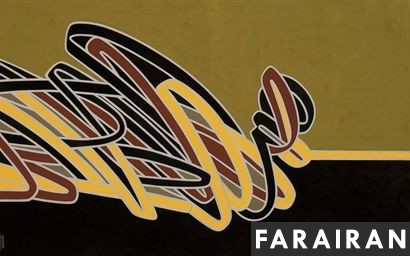
He then abandons applied arts which he had begun in 1977-78 when together with his brothers and others he designed and produced fifty two pieces such as chandelier, wardrobes, armchair, table, chair, etc and becomes one of the first pioneers of painting-calligraphy. He displayed this new series of his works in 1989 in Classic Gallery and later in Golestan Gallery.
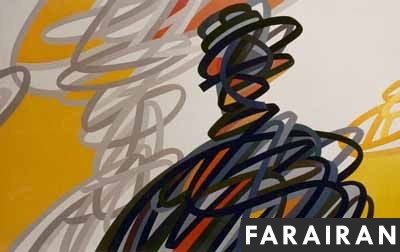
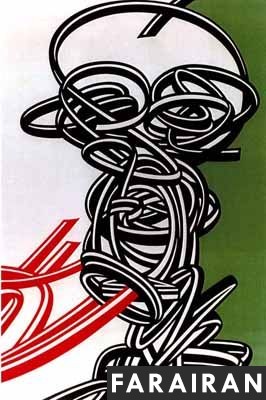
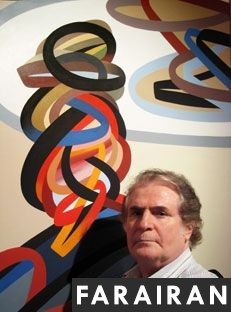
What was the source of inspiration of these lines and this style which he still seriously follows? “Its origin goes back to drawings of museums and architectural monuments in high school days, when I made drawings of crescents and arabesque patterns, which seems to have precipitated in me…the arabesques of tiles, carpets , the clouds in Iran’s sky which pursue each other with pleasant curves of calligraphy which transcend the familiar combinations of Persian script.”
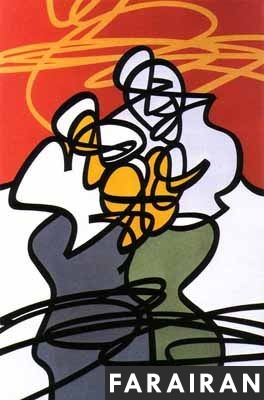
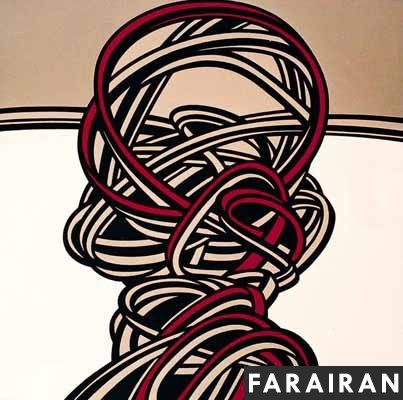
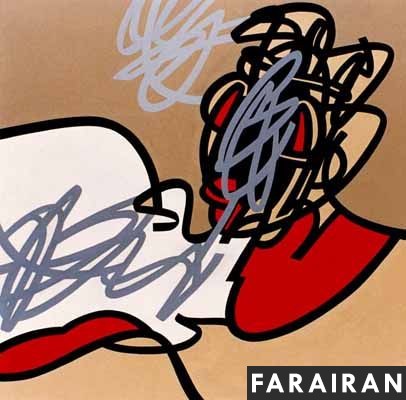
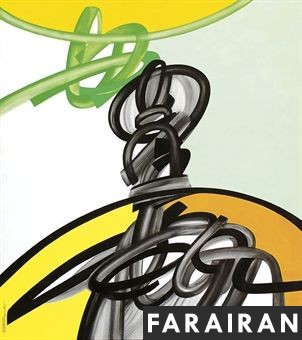
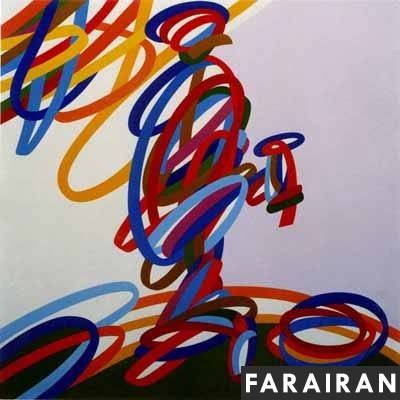
According to Abbas Daneshvari, Iranian researcher teaching history of art at State University of California, one of the distinguishing features of Shishegaran’s work is his ability to give shape to abstract forms. A large number of his works are portraits of human figures, even though, the shifting boundaries of these portraits and the energetic swirls of their inner spaces is an allusion to vehement experiences. Many of these portraits associate the Herculean and mythological adventures. They have all appeared on the basis of an architectural structure and a mysterious consciousness. ..
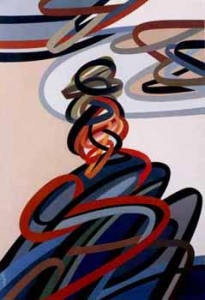
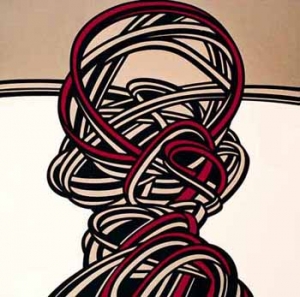
A fearful voice echoes practically from all his portraits and their vacillating rhythm are confined by their outlines in their diagonal, vertical and horizontal motion, just like the spirit of Michelangelo’s slaves imprisoned in their bodies. I believe that the confinement of energy in Shishegaran’s paintings, shown always in human figure raise existential questions. Therefore the play and counter-play of gestural acts and the diagrammatic restraint of the borders can not be separated from existential motives. Thus one can say that Shishegaran’s abstract works reveal the essence of life through a complicated quantum motion and remind us of the determining role of impervious indescribable emotions which often raise further questions than offering answers.
There is no doubt that Shishegaran is an expert in creating and destroying equilibriums, a master at displaying entropy and disorder, but it is a kind of disorder which obtains its power from an essential symmetry and pleasant appearances… There is also another kind of playful and vibrant symmetry creating a harmonious flow of energy, seen in The Tree and 2 Figures
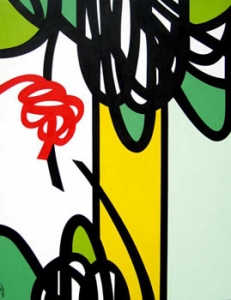
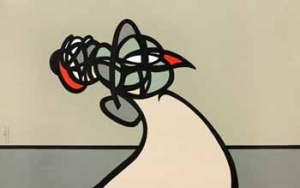
which compared to the pompous complex humanity of his previous works is light, pleasant and serene, not having the confined energies and psychological complexes seen in his portraits. These works are also abstract and transcendental, yet at the same time they are worldly and life-affirming indirectly expressing a certainty which the Modernist generation of artists has sought.”
-
- Composition of Two Figures – 120x80cm -acrylic on canvas
-
- Human at rest – oil on canvas – 130×200 cm – Christie’s 30 April 2008
-
- Human Figure -300x200cm – oil color on canvas
-
- Portrait – 150x100cm -oil color on canvas
-
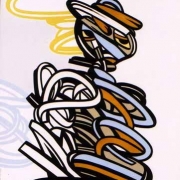
- Portrait – 140x125cm -acrylic on canvas
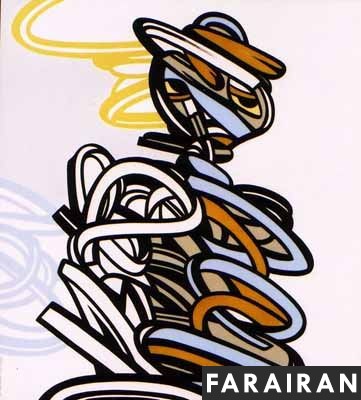
-
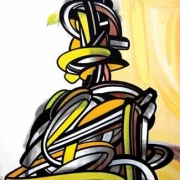
- Portrait – 140x125cm – acrylic on canvas
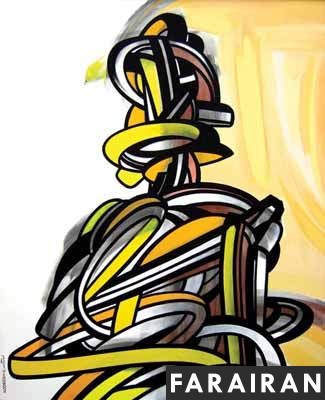
-
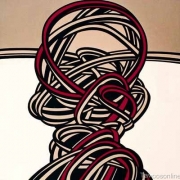
- Portrait – 100x100cm – oil color on canvas
-
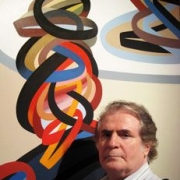
- Koorosh.Shishegaranl
-
- Portrait – 150x150cm – Plot Painting
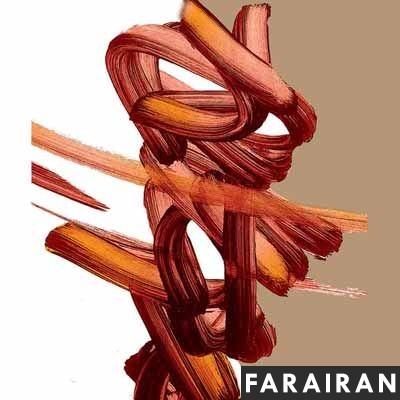
-
- Portrait – 200x140cm – oil color on canvas
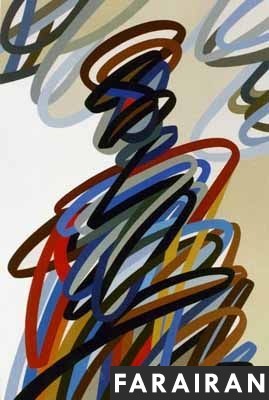
-
- Portrait- 90x90cm -oil color on canvas
-
- Portrate – oil on canvas – 140×125 cm – Christie’s 30 April 2008
-
- Samavar – 145x145cm – oil color on canvas
-
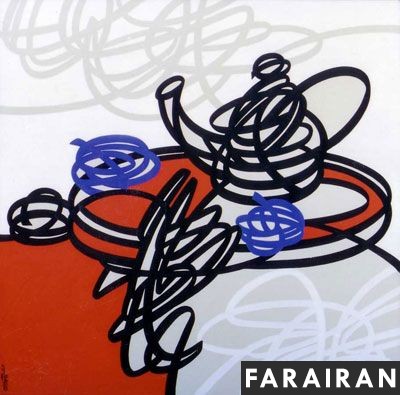
- Teapot-100x100cm-Oil color on Canvas
-
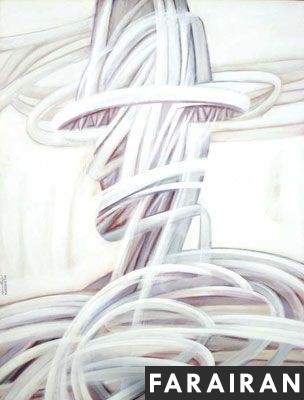
- Snowman-180x140cm-Oil color on Canvas
-
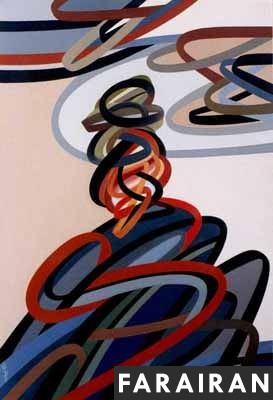
- Self portrait – 120×80 cm – Oil color on canvas
-
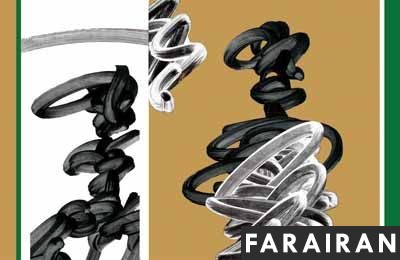
- Sculpture & Shadow – 200x130cm – Plot Painting
-
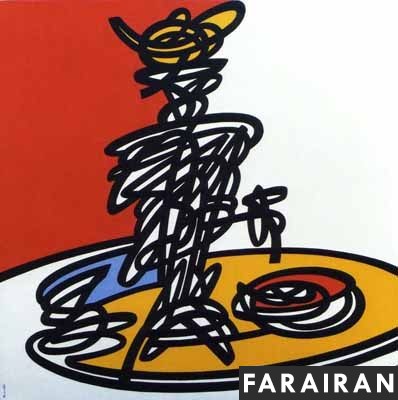
- Samovar -145x145cm – oil color on canvas
-
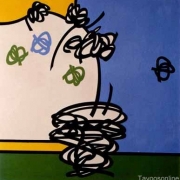
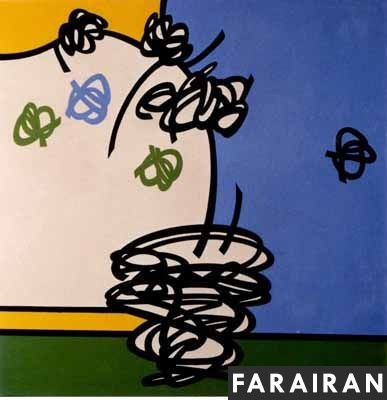
- The Vase – 80x80cm- oil color on canvas
-
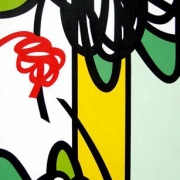
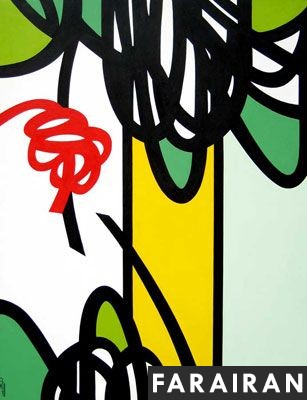
- The Tree-180x135cm -Acrylic on Canvas – Christie’s 29 April 2009
-
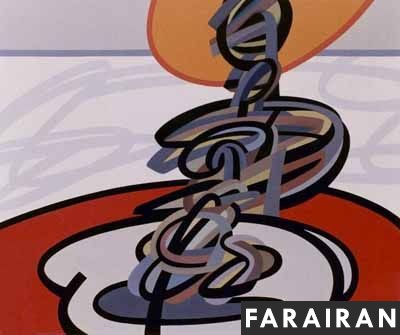
- The Man Behind the Table – 160x130cm – oil color on canvas
-
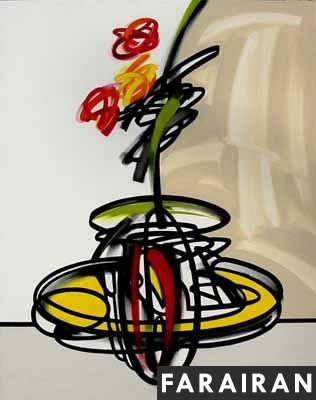
- The Flowers – 120x80cm – oil color on canvas
-
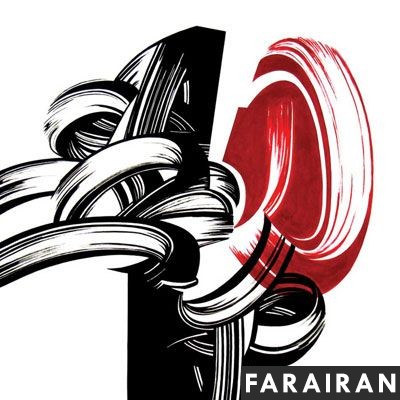
- The Ear of Van gogh-150x150cm-Acrylic on Canvas
-
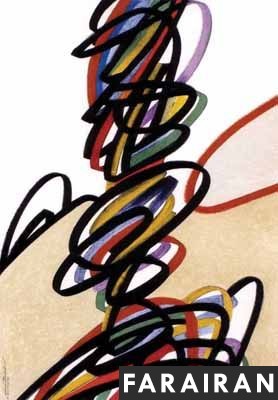
- Untitled – 100x70cm – pastel
-
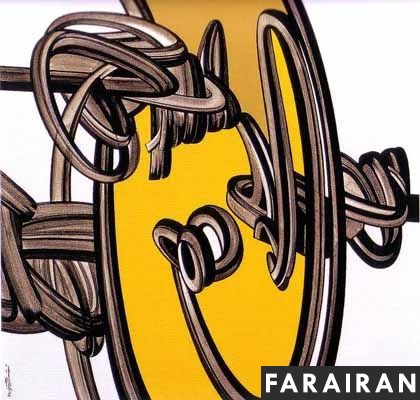
- Untitled – 90x90cm- Acrylic on canvas
-
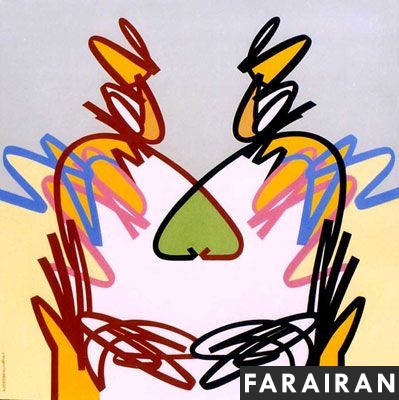
- Twin Miniature-150x150cm -acrylic on canvas
-
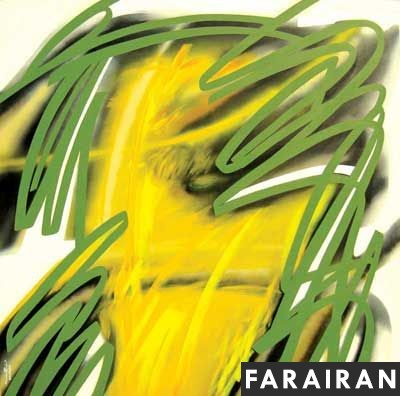
- Through the Arbor-135x135cm-Acrylic on Canvas
-
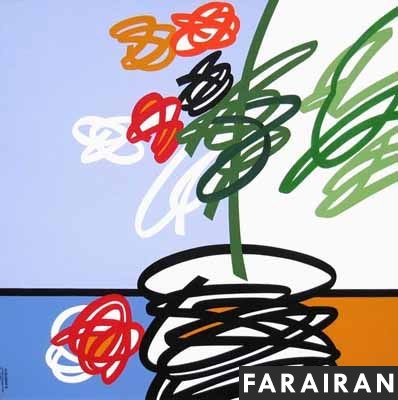
- The Vase – 150x150cm – Acrylic on canvas
-
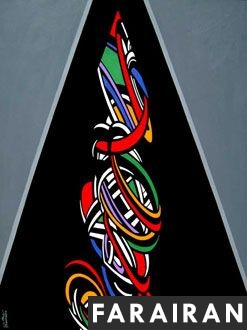
- Untitled – 2008 – acrylic on canvas – 178×155 cm – Christie’s 29 April 2009
-
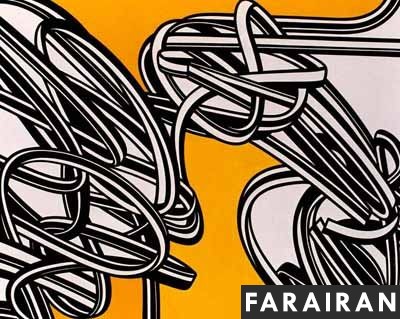
- Untitled – 160x130cm – oil color on canvas – Christie’s 29 October 2009
-
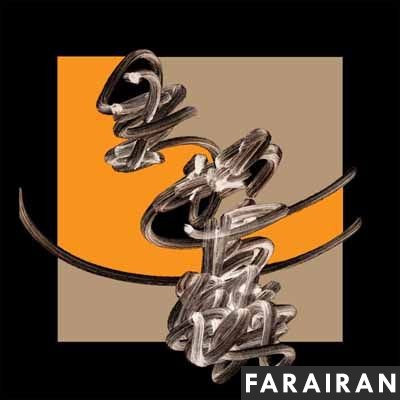
- Untitled – 150x150cm- Plot Painting
-
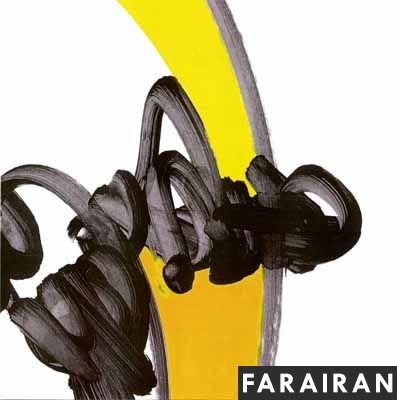
- Untitled – 150x150cm – Plot Painting
-
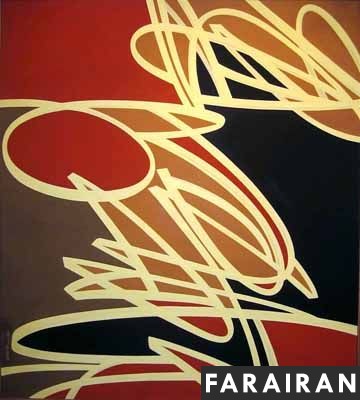
- Untitled – 140x125cm -acrylic on canvas
-
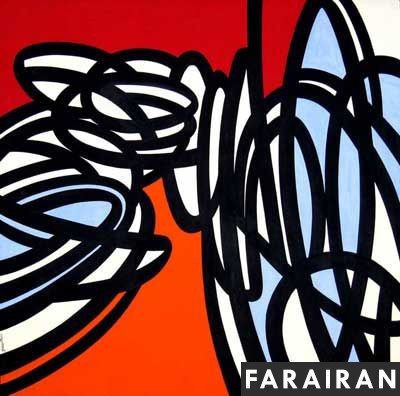
- Untitled-150x150cm-Oil color on Canvas
-
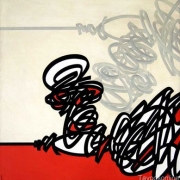
- Untitled-150 x150cm-oil color on canvas
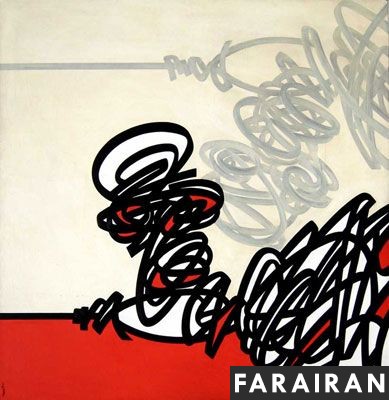
-
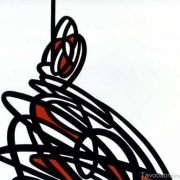
- Untitled-100x100cm-Oil color on Canvas
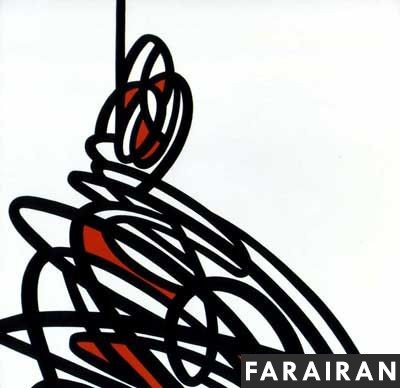
-
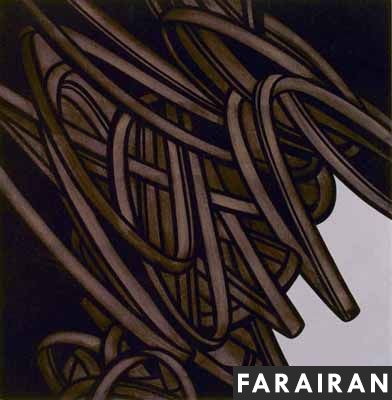
- Untitled- 100x100cm -oil color on canvas
-
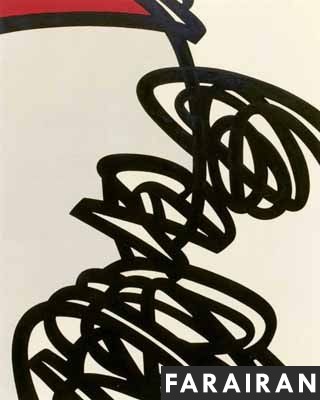
- Untitled -100x70cm – oil color on canvas
-
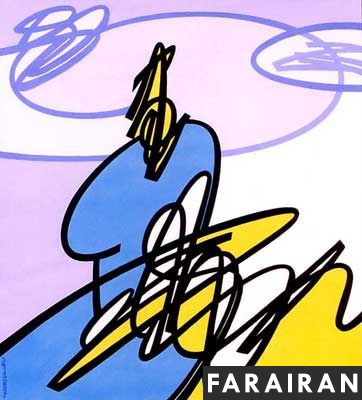
- Blue Miniature-140x125cm-acrylic on canvas
-
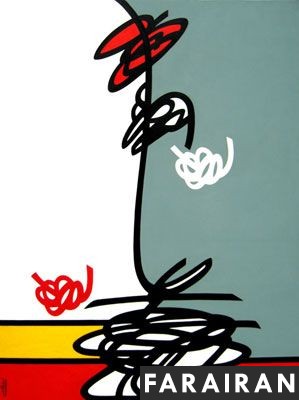
- Vase-180x135cm-Acrylic on Canvas
-
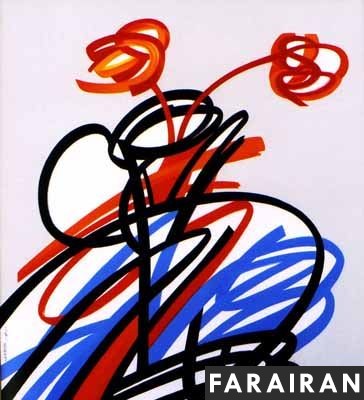
- Vase – 140x125cm – acrylic on canvas
-
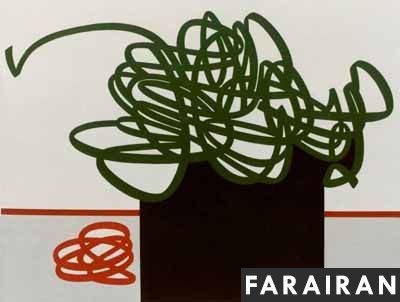
- Vase – 120x100cm – oil color on canvas
-
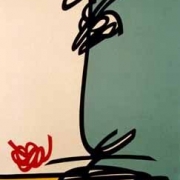
- Vase – 100x70cm – oil color on canvas