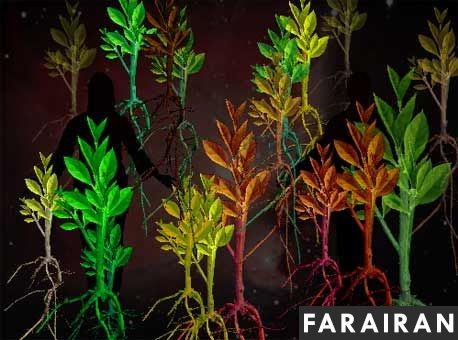
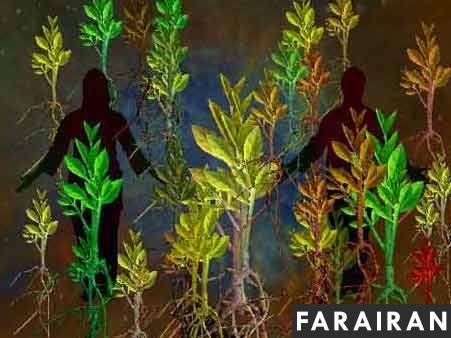
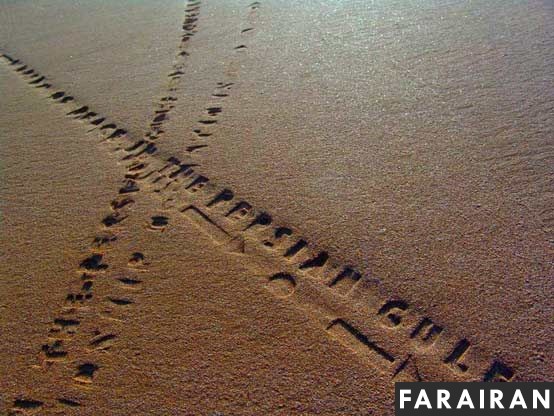
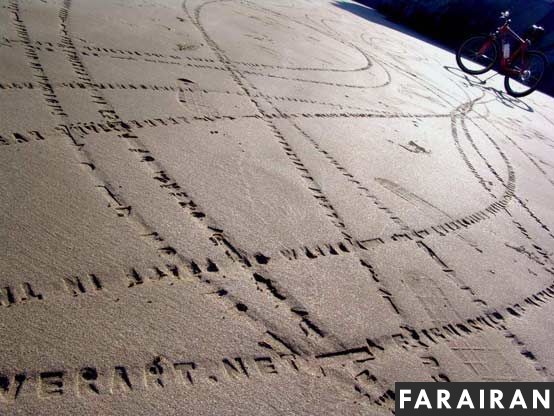
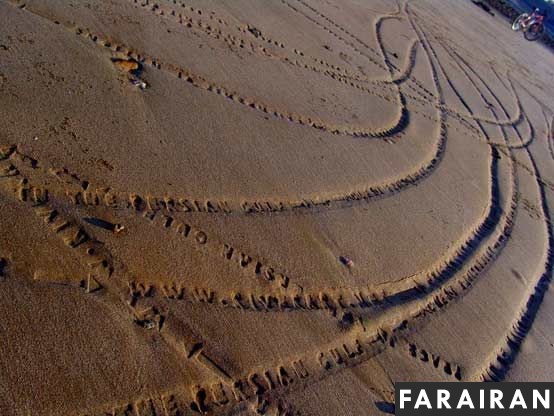
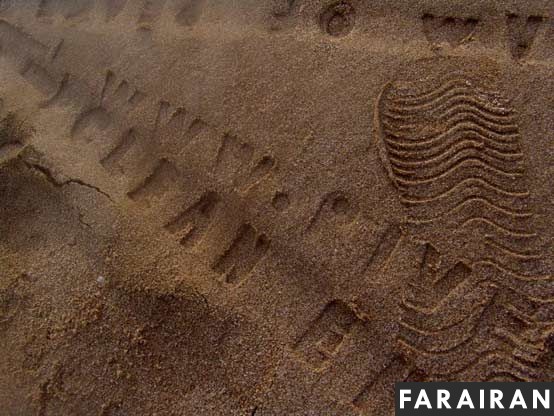
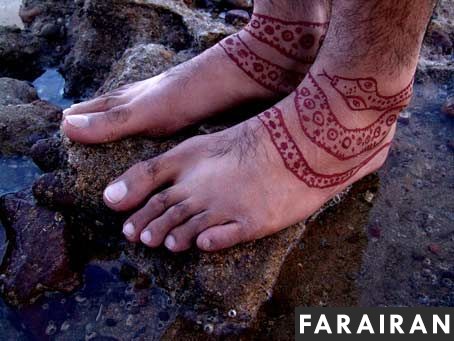
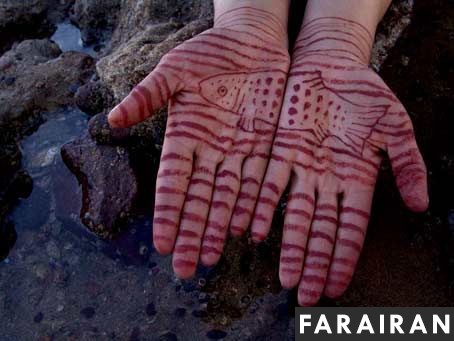
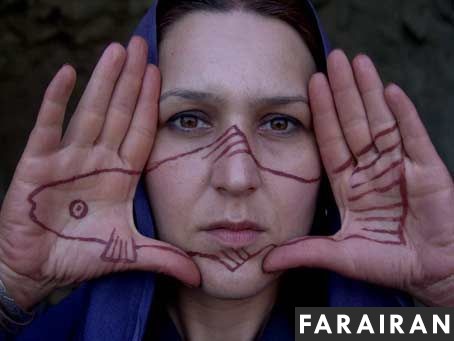
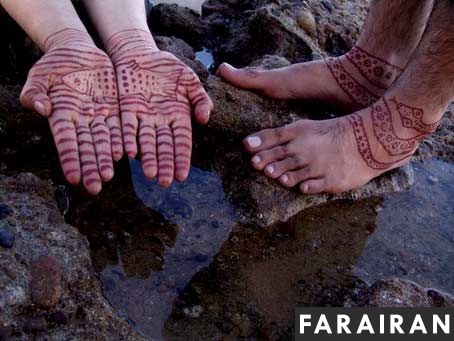
2005 Interactive Multimedia, Nature in the East, Khial Gallery, Saba Cultural Complex
2005 L’Eau Partagee: Exhibition, in South of France (La Mole, Gogolin – Toulon)
2005 Interactive Multimedia, in group Exhibition of Difficult Start, Member of Association of Iranian Painters
2005 Interactive Multimedia in the exhibition of Masterpiece of Persian Painting, Tehran Contemporary Art Museum
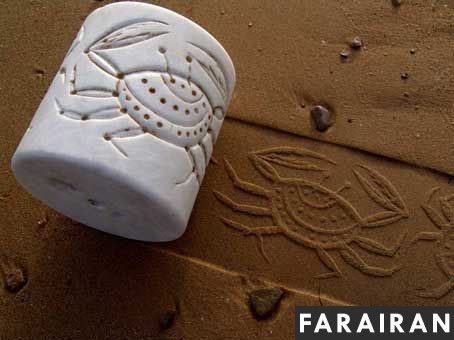
2004 Individual exhibition, Carved Stones, Installation, and Performance at Epi Plage (Art- Hotel) South France
2003 Group exhibition, Member of Group 30+ carved stones, Barg Gallery Tehran.
2003 Group exhibition, Member of Group 30+ in Hayart cultural center in Yerevan , Armenia , April
2002 Individual exhibition , carved stones, installation & Multimedia Art, Barg Gallery Tehran.
2002 Group exhibition, Member of Group 30+ Triennale De Paris: International d’Art Contemporain
2002 Installation in Orientalism: Inside & Outside: International exhibition of Conceptual Art – Baku (Republic of Azerbaijan)
2002 Group Project in Tochal Mountain with collaboration of Group 30+.
2002 Exhibition of Iranian Contemporary Painting, Muscat Oman
2002 Exhibition of the Photo of River Art , Poloor.
2001 Group exhibition Member of Group 30+ at Tokyo’s Metropolitan Museum 2001 Group exhibition Member of Group 30+ , at the Esfahan Museum of Contemporary Art
2001 Video installation in The First Exhibition of Iranian Conceptual Art at the Tehran Museum of Contemporary Art
2001 Group exhibition , installation, conceptual art exhibition of Barg Gallery.
2001 Exhibition at the Niavaran Cultural Complex (November )
2001 Individual exhibition, drawing on fabric, paintings, carved Stones & installation – Gallery of the Association of Sculptors
nd Painters of Lebanon – Beirut .
2001 Group exhibition, carved stones, painting on fabric, Member of Group 30+ Niawaran Cultural Complex
2001 Group exhibition, New Experiences: Members of Society of Iranian painters, Gallery of Iranian artists.
2001 Group exhibition, carved stones, installation and painting, Member of Group 30+ Niawaran Cultural Complex
2000 Group exhibition, sculpture, The second Biennial of sculptor of Tehran at Tehran Museum of Contemporary Art
2000 Individual exhibition, Paintings and Drawings, Arya Gallery, Tehran of Tehran.
2000 International Symposium of Sculpture Aley
2000 The fifth biennial of Iranian contemporary painting at Tehran Museum of Contemporary Art
1999 Group exhibition, Painting, Tehran Gallery
1999 Group exhibition, Drawing, Shys Gallery, Tehran
1999 Group exhibition, Painting, Tehran Museum of Contemporary Art
1999 Group exhibition, Drawing, The third exhibition of contemporary drawing, Barg Gallery.
1999 Group exhibition, Drawing, The first international exhibition of drawing of Tehran. at Tehran Museum of Contemporary Art
1998 Group exhibition, Painting Arya gallery, Tehran
1998 Group exhibition for Green frontline (Jebhe-i sabz), Painting Arya gallery, Tehran
1998 Individual exhibition, Paintings and Drawings, Sureh Gallery, Tehran
1998 Group exhibition, painting, Sureh Gallery, Zahedan
1997 Third Biennial of Painting, Tehran
1997 Group exhibition, Painting, Tehran Gallery – Tehran
1996 Group exhibition, Painting, Sureh Gallery – Tehran
1995 Group exhibition, Painting, Bahman Cultural Center – Tehran
1994 Group exhibition, Painting, Exhibition Hall- The University of Central England in Birmingham
1993 Individual exhibition, Carton Drawing- Exhibition Hall- The University of Central England in Birmingham
1986 Individual exhibition, Drawings Shahed Gallery – Tehran
1986 Group exhibition, Painting, Brass House Birmingham
1989 Group exhibition, painting, Tehran Museum of Contemporary Art
1988 Individual exhibition, Paintings and Drawings – Faculty of Fine Arts, Tehran University
1986 Individual exhibition, Drawings – Tehran Museum of Contemporary Art
1986 Group exhibition, Painting, Gallery of Faculty of Fine Arts- Tehran University
1986 Group exhibition, Drawings and painting – Gallery of Faculty of Fine Arts- Tehran University
1986 Group exhibition, painting, Shahed Gallery -Tehran
1985, Group exhibition, Tehran Museum of Contemporary Art
1985, Group exhibition, Gallery of Faculty of Fine Arts- Tehran University
1984 Individual exhibition, Paintings and Drawings – Faculty of Fine Arts, Tehran University1983 Group exhibition, Tehran Museum of Contemporary Art
1982 Individual exhibition, Paintings, Shariati School at Tehran
1982 Group exhibition, Tehran Museum of Contemporary Art
1981 Group exhibition, Paintings and Drawings Shariati School at Tehran
Conferences, Lectures and Articles:
Nadalian has taken part in several conferences and seminars and his articles on Persian art and modern European art and its impact on the contemporary art of Iran have been published in different art journals and magazines.
2004 “Iranian Contemporary Art” Conference of Tashkent international Biennale Uzbekistan
2004 “Dialogue of Artists and Scientists with Nature” presented at the Art Culture Nature conference University of Washington.
2004 Video in Net Aban Gallery- Tehran2004 Virtual Interaction, Galeria Portals Mallorca Spain. 2003 New Art: Challenges and Approaches, Film Magazine
2002 Land Art: Unity of Human and Nature
2002 “Web Art” presented in Conference of New Art Exhibition at the Tehran Museum of Contemporary Art.
2002 “How Cultures Blossom” presented at the Conference of the 8th General Meeting of International Association of
esidential Arts Centers in Helsinki of Finland.
2002 “Conceptual Art from Beginning up to Today. presented at the Arasbaran Cultural center
2002 “Safavid Art and its impact on Contemporary art. In conference of Orientalism: Inside & Outside: International exhibition of Conceptual Art – Baku (Republic of Azerbaijan)
2001 “Conceptual Art in Iran” Tehran Museum of Contemporary Art It will be unpublished.
2001 “An Attempt to Understand Conceptual Art” presented at the Tehran Museum of Contemporary Art
2000 “Critic of Visual Art Center of Ministry of Islamic culture and Guidance”
2000 “The Painting of Islamic World”, (About The First International Painting Biennial Of The Islamic World) , It will be unpublished.
2000 “Iranian Art In The Mirror Of American Art (P.D. Movement)”, It will be unpublished.
2000 “An Attempt to Understand Postmodern Art”, presented at the Tehran Museum of Contemporary Art and published in Nagsh No. 3.
2000 “Crises of Modernism in the West and its Impact on Contemporary Iranian Painting”, presented at the Tehran Museum of Contemporary Art and published in Daneshvar magazine No. 28.
2000 “Global Modernism or Iranian Identity”, presented at the Tehran Museum of Contemporary Art.
1999 ” The Bird of Celestical Garden (Peacock) “, published in Daneshvar magazine, No 25.
1999 “An Analysis of Contemporary Iranian Drawing”, presented at the Tehran Museum of Contemporary Art.
1999 “An Introduction To Persian Mural Decorations”, published online
1999 “An Analysis of Contemporary Iranian Miniature Painting (Negargari)”, abstract of the article published online.
1999 ” The Signification of Persian New Year (Norouz) and Its Reflection in Persian Art ” , published online.
1999 “Critique of the Activities of the Visual Art Center of the Iranian Ministry of Islamic Art and Guidance”, unpublished
article.
1998 “Shamss (The Sun)”, printed in Shahed University’s Daneshvar magazine No 21.
1998 “Lost Values: A Comparative Study of Contemporary and Traditional Iranian Paintings”, printed in Faslnameh-ye Honar-e Tajassomi , No 1.
1998 “The Social and Historical Background of Modern Art”, presented at the Faculty of Art in Zahedan
1998 “The Impact of the Islamic Revolution in the Development of Contemporary Iranian Painting”, published by the Tehran Museum of Contemporary Art. published by the Tehran Museum of Contemporary Art in Tajdid-e Misaq.
1998 “The Islamic Revolution in Contemporary Iranian Painting”, presented at an exhibition in Esfahan
1997 “The Symbolic Meaning of Persian Art”, presented at the Talar-e Aftab in Semnan.
1997 “The Role of Iranian Ancient Religion in the Development Of Persian Art”, presented at the Talar-e Ejtemaat in Zahedan.
1997 “The Spiritual Meaning of Persian Painting”, presented at the Tehran Museum of Contemporary Art and published in Mahnameh Honarhay-i tajasomi No. 55
1997 “The Characteristic of Contemporary Miniature Painting”, presented during a panel discussion at the Tehran Museum of Contemporary Art
1997 “The Influence of Mysticism on the Decorative Features of the Mosques of Esfahan”, presented at the Conference Mosque Architecture, Esfahan.1996 “ Image In Monotheism Religions “The Image in Monotheistic Religions”, presented at the second Seminar on Arts and Humanities Ph.D. students in the Birmingham (UK).1995 Vision of Heart Or Pupil of Eye: A Study On The Perspective And Its Developments in Persian Mural Decorations, presented at the first Seminar on Arts and Humanities by Ph.D. students in the , Sheffield (UK)
1984 “An Analysis of Children Paintings”, published in J. D. of the Faculty of Fine Arts at Tehran University No 1.
Awards:
2002 Awarded a Netdays Europe 2002 label
2005 The Grand Prize of the 3rd Tashkent international Biennial
Books:
Human life was the main subjects of his early works. His early works were published as a collection of drawings, by J.D.H.Z of Tehran University in 1987. The second collection of his drawings, “Ahmad Nadalian” was published by Barg Press in 1993. He has also illustrated four books of poetry and stories for children.
1987 “Didar (Vision)” (A collection of drawing) Published by J.D.H.Z of Tehran University.
1993 “A collection of drawings by Ahmad Nadalian”. Published by Barg Press.
During his Ph.D. studies he showed interest in cartoon drawing. “A Collection of Cartoon Drawings; Research: By Ahmad Nadalian” was published by The University of Central England in Birmingham in 1994 (ISBN- 1- 869954- 35-1).
Nadalian works in Books and Press:
Nadalian has been introduced as one of the world’s leading environmental artists by Edward Lucie Smith in his recent book
Art Tomorrow. He was also chosen for the book “The most exciting Contemporary Artists (a work of 7 years and much travels in the world) by Gottfried Junker. In addition many catalogues and journals and newspaper introduce his environmental works.
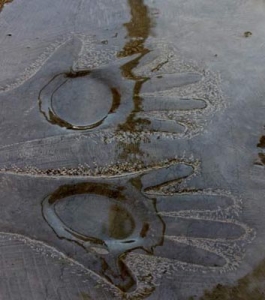
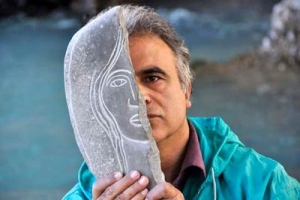
Born in 1963 in Sangsar, an ancient town on the skirts of Alborz Mountain in Semnan, Nadalian was drawn to arts since he was 14. He studied painting at the College of Fine Arts of Tehran University (1988). After graduation he went to France and studied the history of art in various museums and cultural centers of that country. He obtained his Ph.D in painting and wall decorations from Central University of England (UCE) in 1996. Nadalian is one of the pioneers of Environmental art in Iran and his art and fame has spread to the whole world.
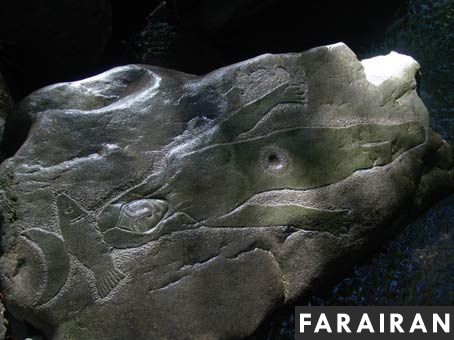
According to John Grande in his book Dialogue in Diversity: Nadalian is an Iranian sculptor whose life’s work involves engendering respect for living creatures and the natural environment. To achieve this, besides living with nature himself, he established sculpture grounds in a peaceful environment in natural surroundings. Water is a living element that contributes to his sculptures, and many of the symbols he engraves and sculpts are derived from ancient mythology and the rituals of pre-Islamic civilizations.”
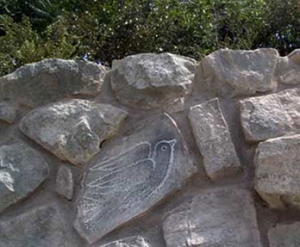
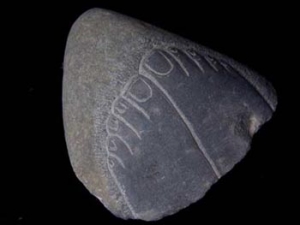
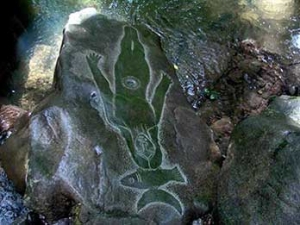
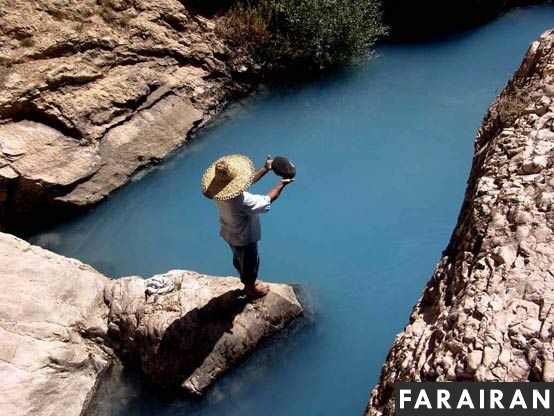
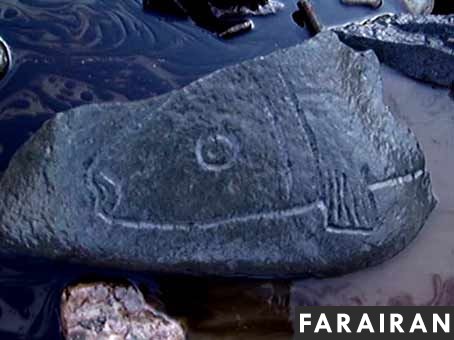
Without the motion and sound of the rushing water, my work has little meaning. The river has been transformed into art. The rising of the water level in spring and the lowered level in autumn gain significance from the life-affirming rituals that are part of the philosophy of ancient Iranian mysticism.
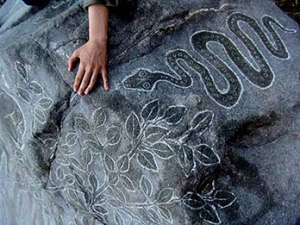
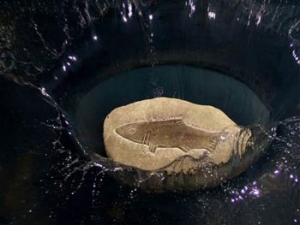
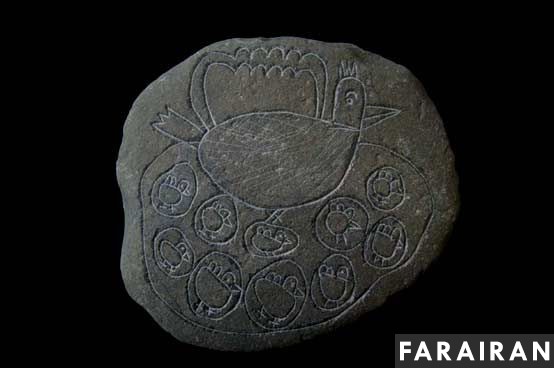
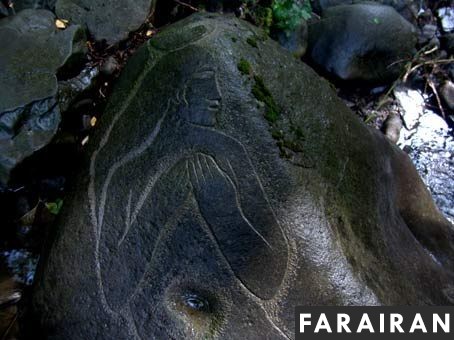
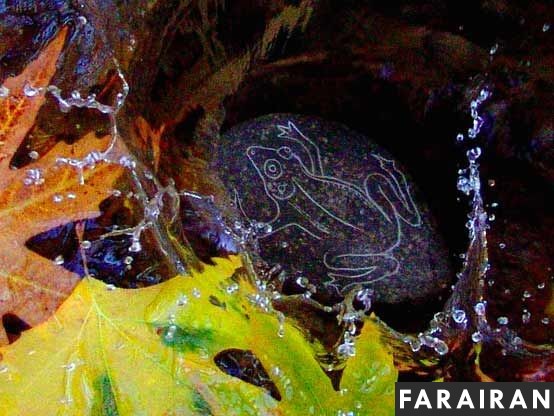
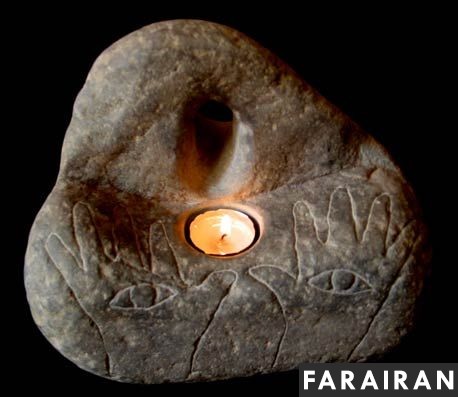
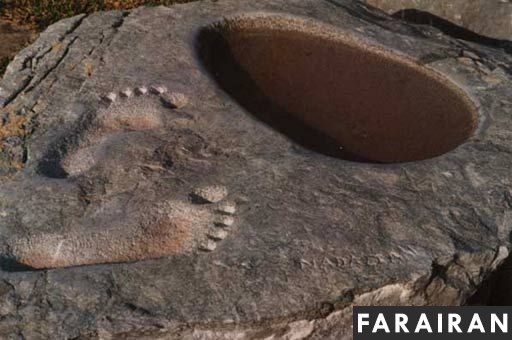
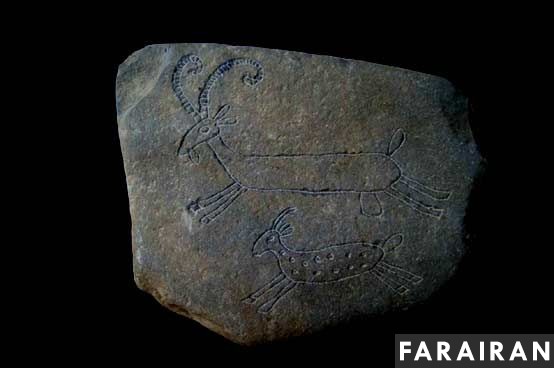
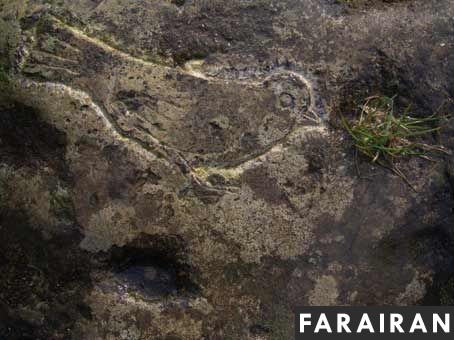
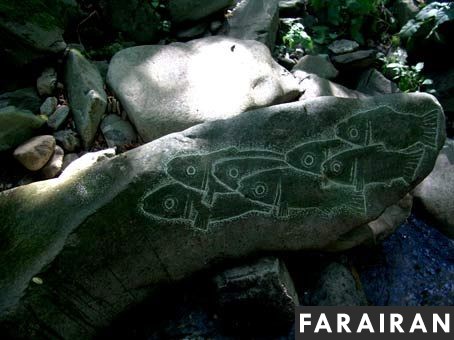
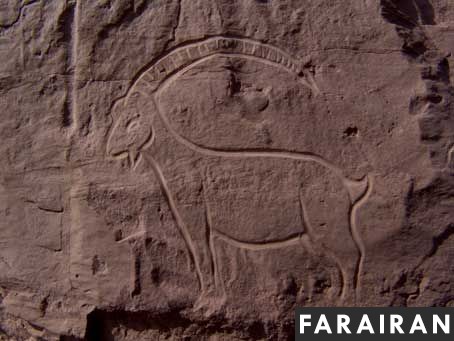
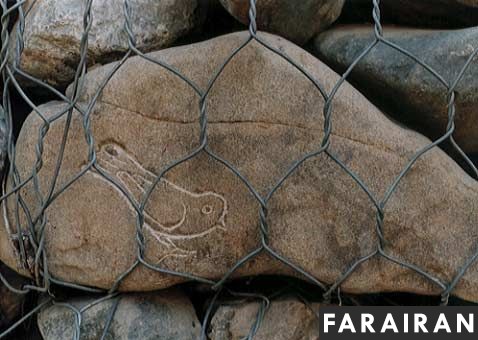
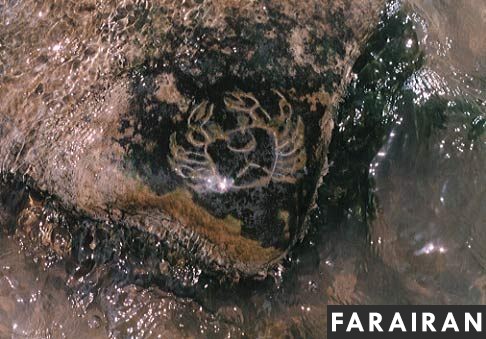
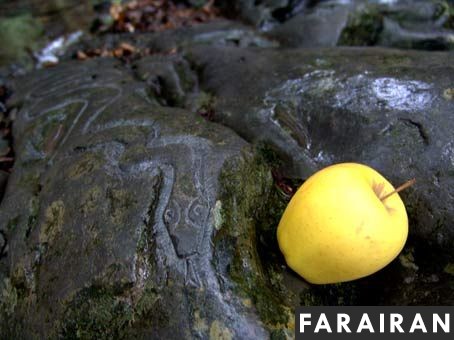
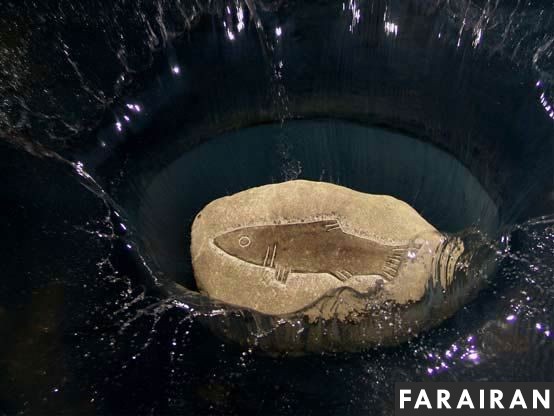
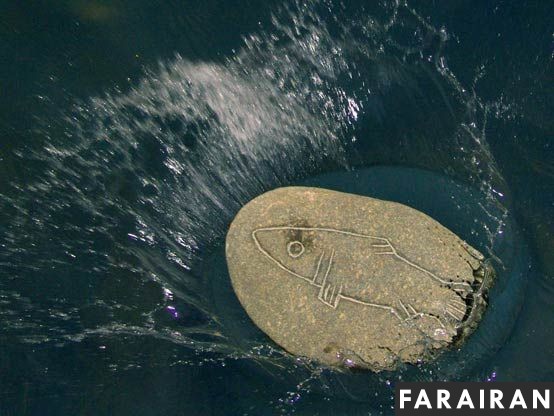
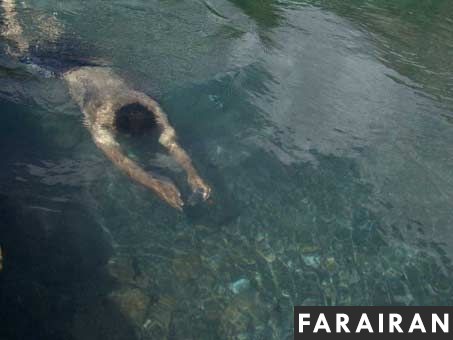
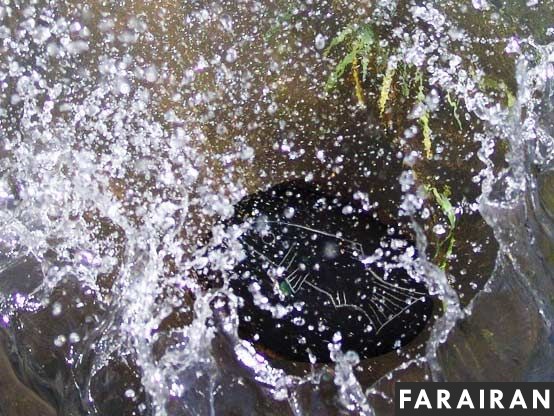
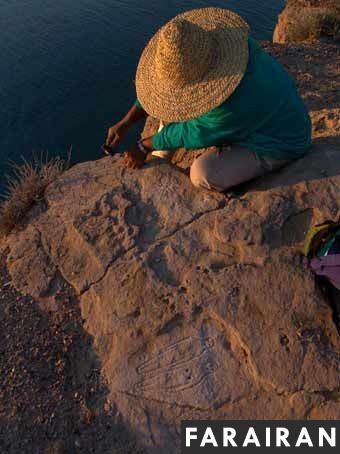
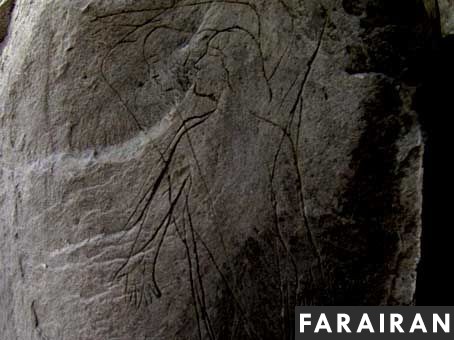
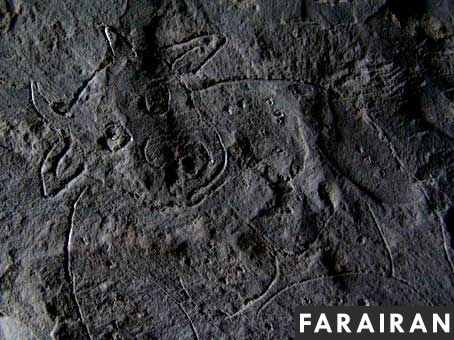
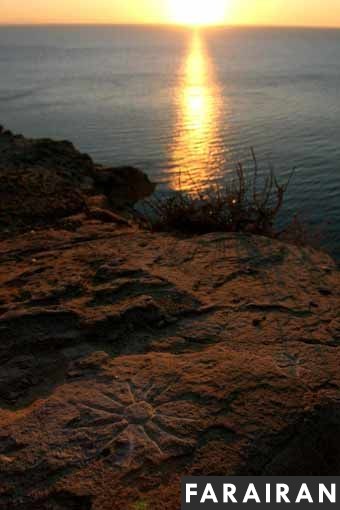
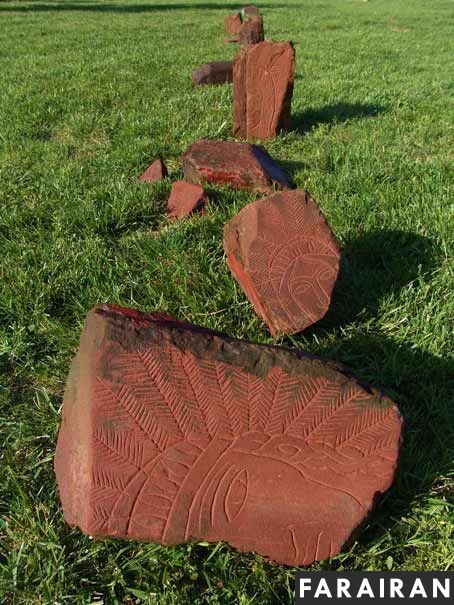
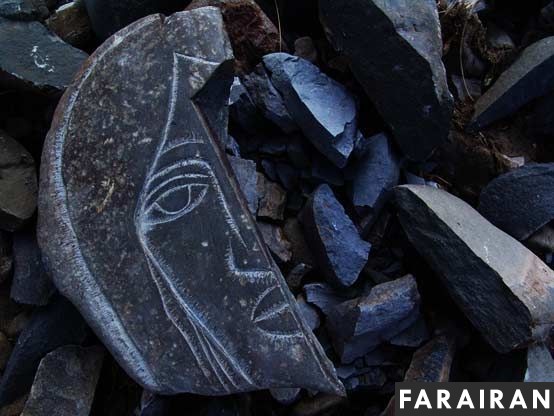
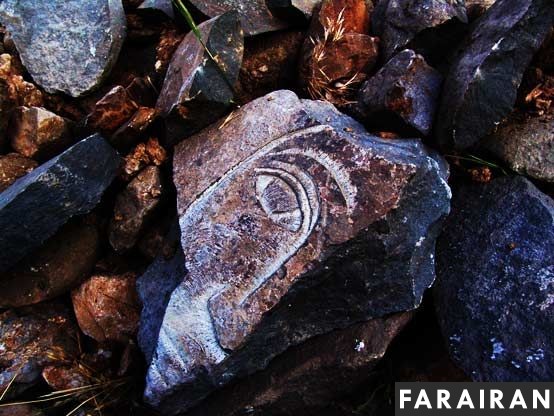
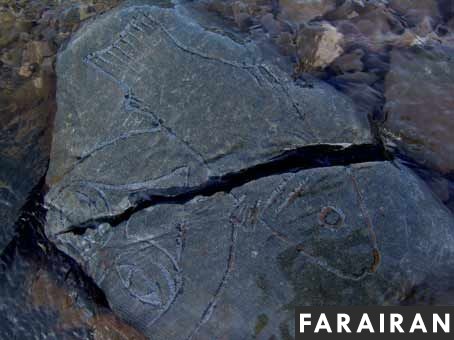
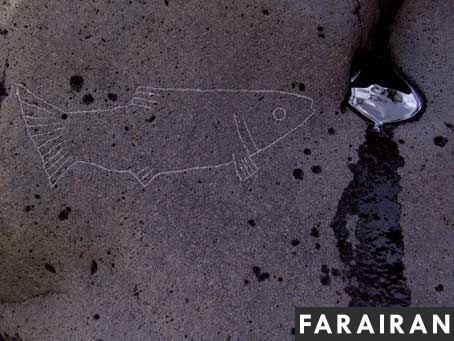
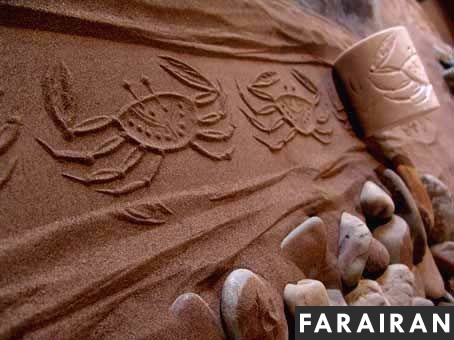
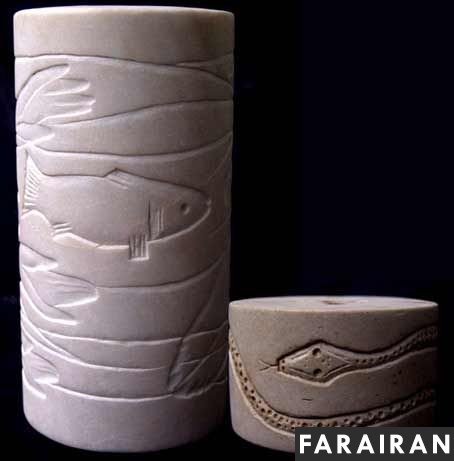
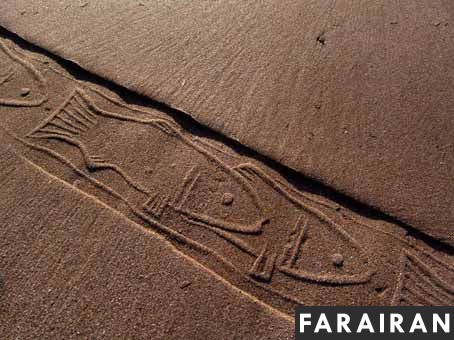
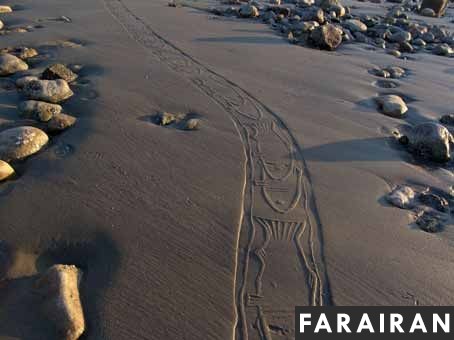
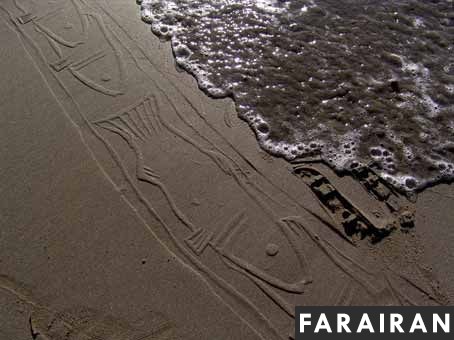
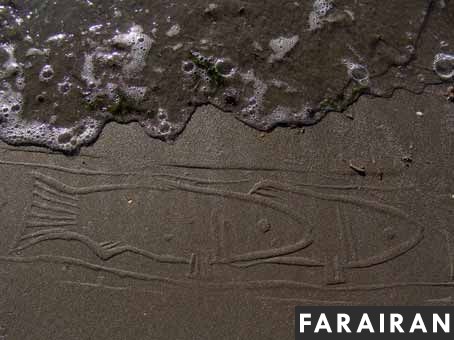
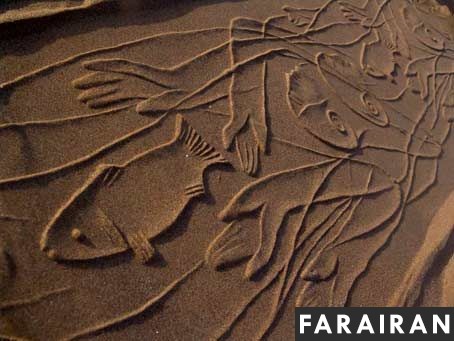
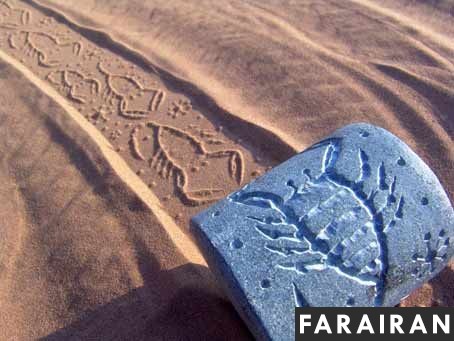
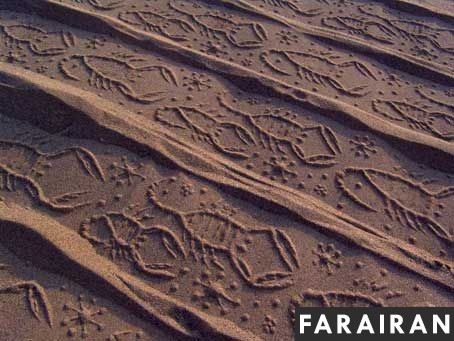
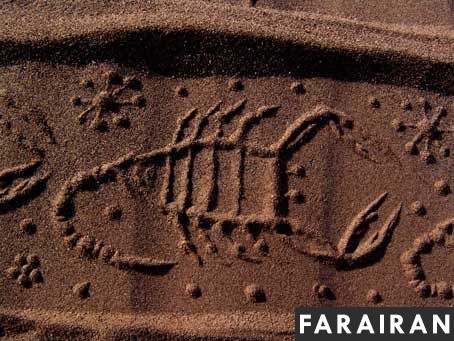
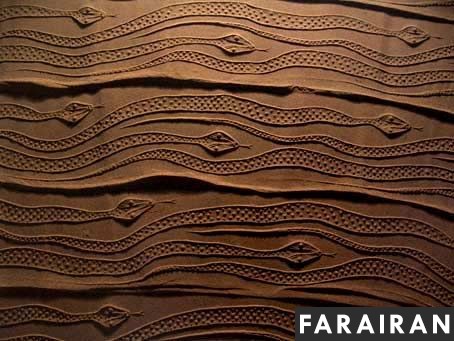
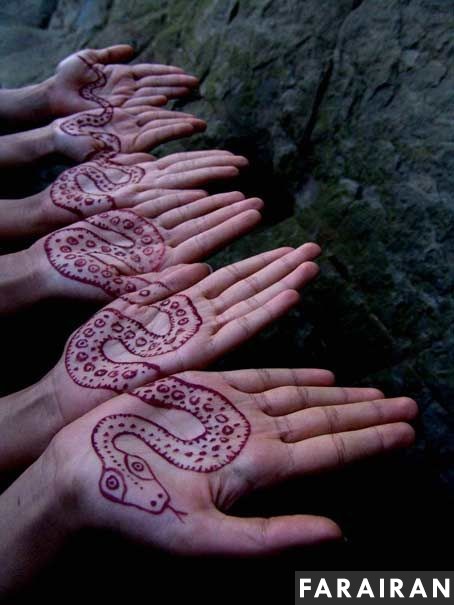
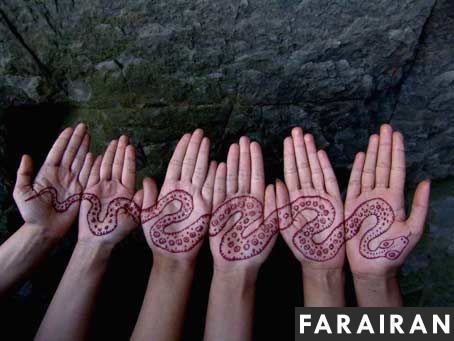
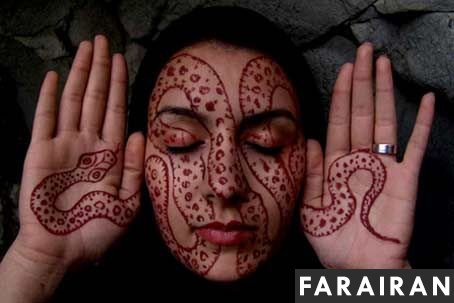
Various symbols are incised on boulders- chiefly fish, which for the artist are emblems of the human soul, thirsty to experience life, but also human figures, emblems of hands and feet, and images of birds, goats, snakes and crabs. While some of these engravings are on a large scale, others are carved on small pebbles, and are left for casual visitors to find. Nadalian regards the discoveries these visitors make as acts of collaboration with the artist.
Snake Goddess, Italy
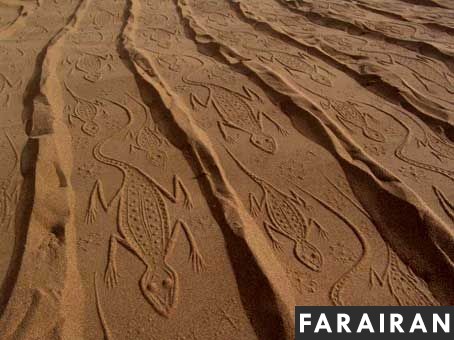
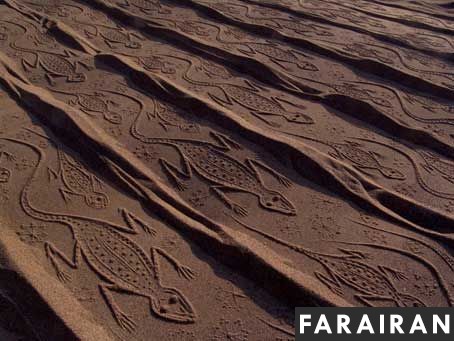
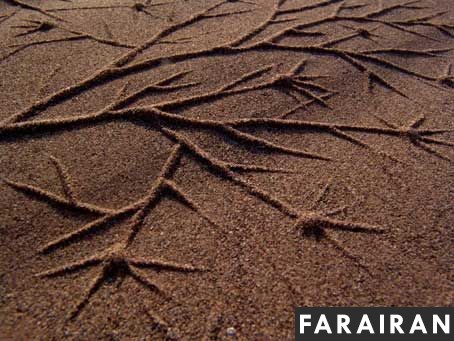
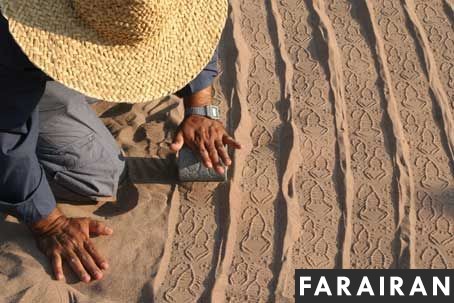
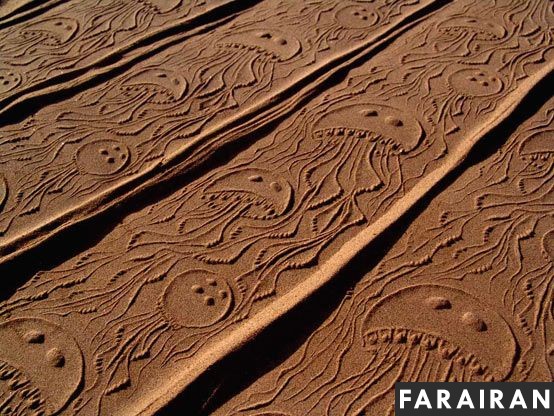
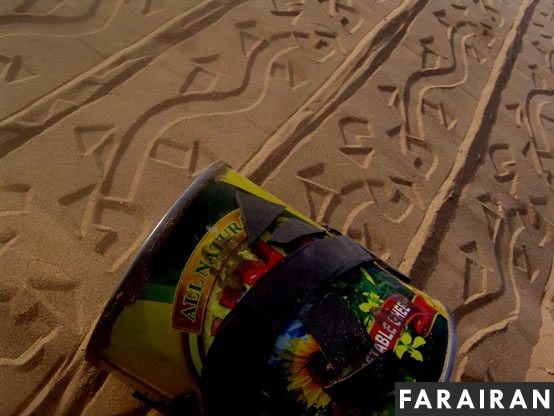
According to Robert Morgan: Nadalian’s work is like a synaptical charge between the Paleolithic cave art and Ancient Persia. He works with directly the earth, primarily in sand and stones on the shores or shallow pools of rivers, ponds, and streams… French artist Yves Klein felt that art was somewhere between the ancient world and the future. A similar statement could be made about Nadalian, except that his forms appear as simulacra of a pre-linguistic culture, in fact, as true signs reiterating something about our present moment. One of his titles is “The River Still Has Fish” – meaning that, in contrast to Paleolithic times, the threat of pollution is changing the rivers of the world in a way that is threatening to all species on Earth. One could say that Nadalian’s real studios are the rivers of the world… Nadalian’s work is a kind of a combined Earth and Process art, at least in Western terms. Yet he is also within the context of Postmodernism by returning us to an era when language did not exist other than as signs, an era when there were no urban monuments and no public art in city squares.
There was only the earth on which we trod and the satisfaction of knowing what had to be done each day.
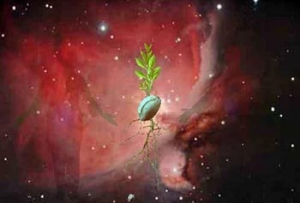
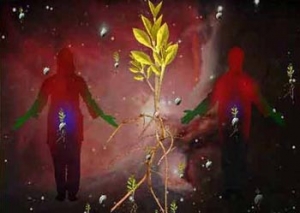
Nuclear Energy
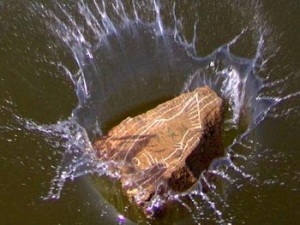
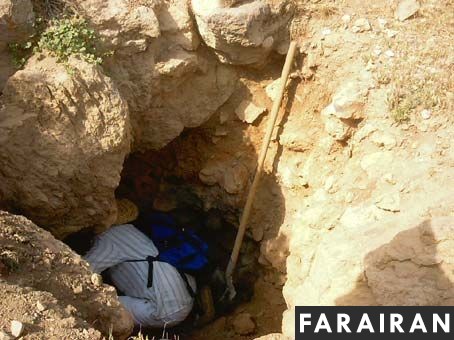
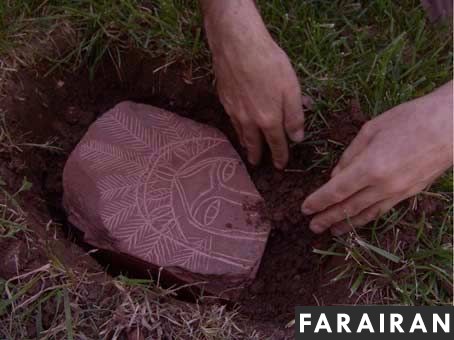
As part of his art, Ahmad Nadalian buries his creations all around the world in holes in the ground. People who observe him doing it may secretly want to retrieve the “treasure,” hoping to find gold and jewels. But at the bottom of each hole there is a simple stone with a motif carved into it. These stones are the treasure, though people often do not realize it. For the carved stones represent the artist’s ideas and good wishes for the whole earth. In this way he seeks ,to repopulate the spirit of neglected streams and rivers in his native Iran and around the world and share these treasures with future generations. Over the past decade the artist has traveled to cities and remote regions in every continent (with the exception of Antarctica) to work with children and local residents to create countless treasures which are then tossed into rivers and buried under the earth, spreading his message on a scale that few artists have before. Nadalian’s “message to contemporary man is to remain aware of the dangers of environmental disasters and political crises. If there is any audiences in the future, this work will tell them the story of life and humanity.”
I think about the future. I have deliberately buried many of my carvings in their natural settings. These burials are secrets I share with the earth, an exhibition for later generations. These pieces highlight the value of the earth, the cradle of humanity and its civilizations.
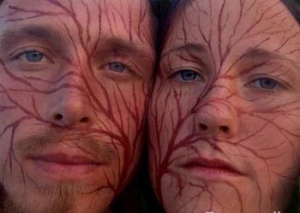
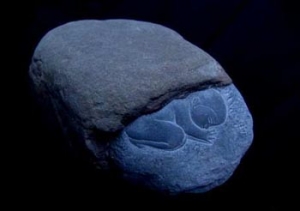
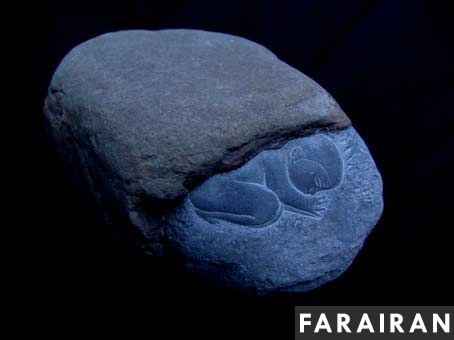
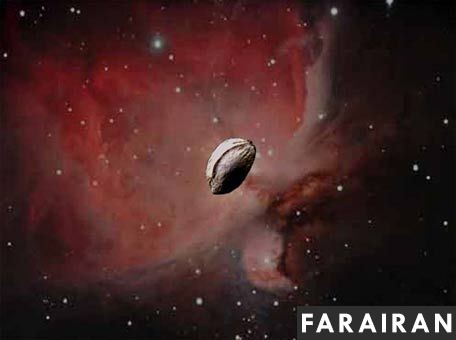
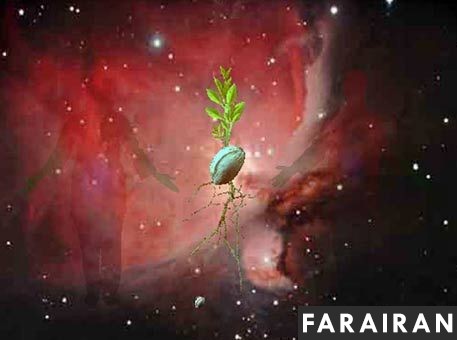
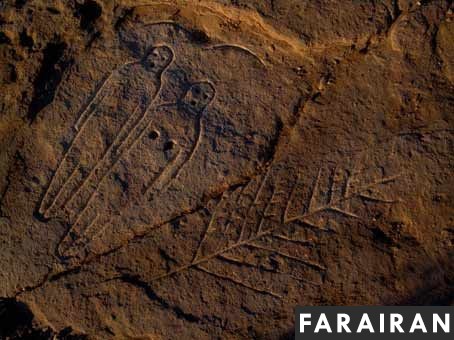
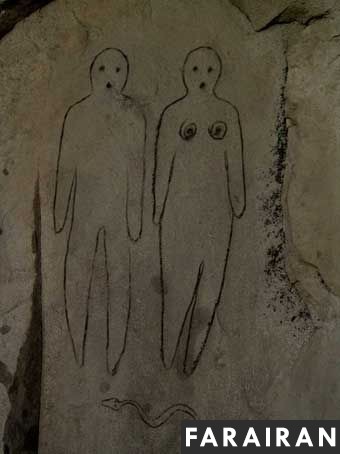
Adam & Eve Fetus
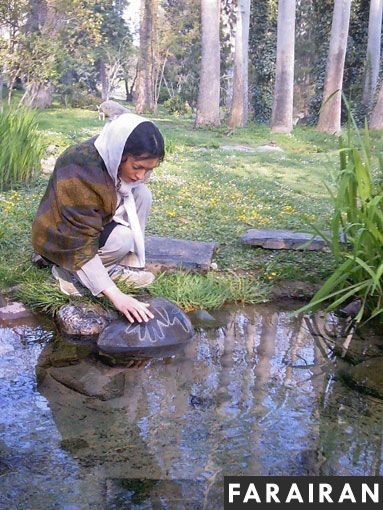
The universality of Nadalian’s stone images and their ties to his Persian heritage, are part of their appeal. As natural images with deep historical roots they are both recognizable and enigmatic. For the artist, “walking along a riverbank and washing the stones, which he has already carved, is not only a performance, but also a prayer, a form of worship, an invocation” For him art is a blessing and a connection with Time-Space.
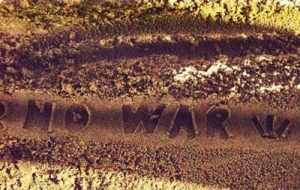
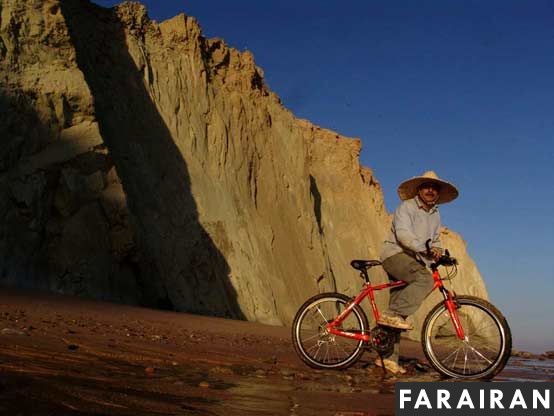
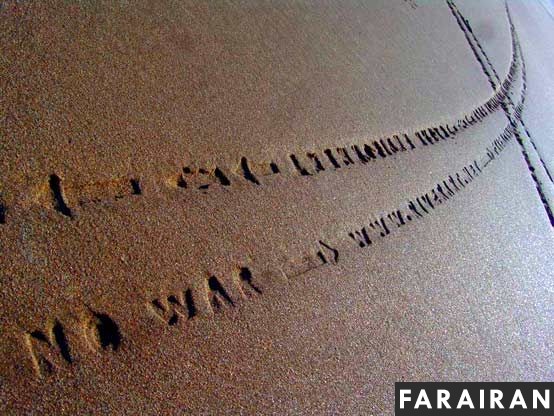
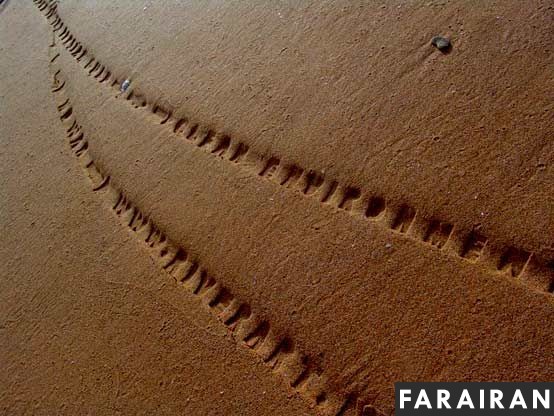
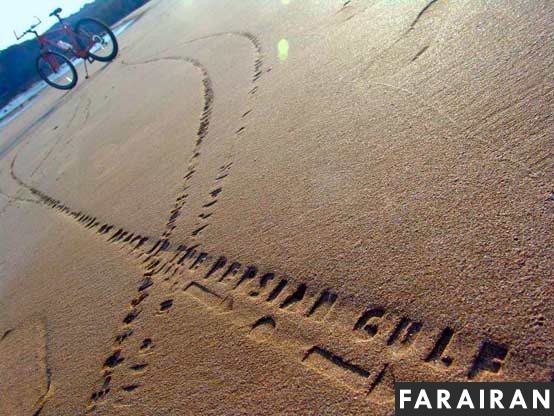
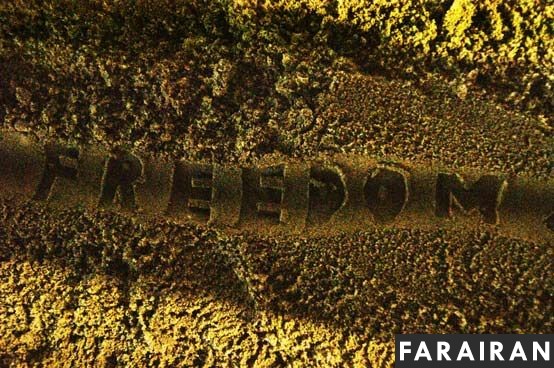
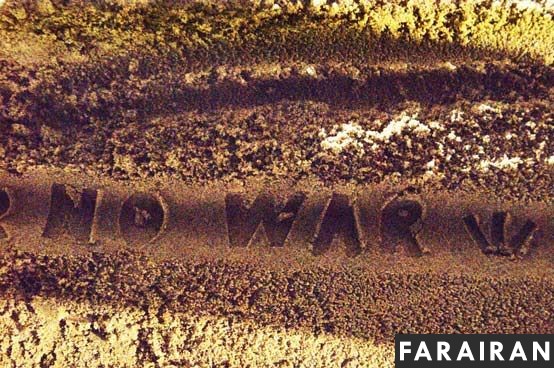
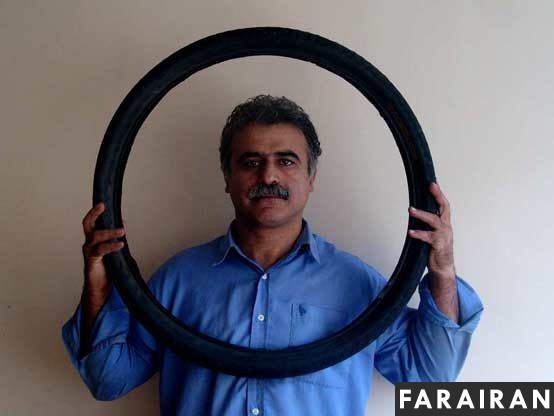
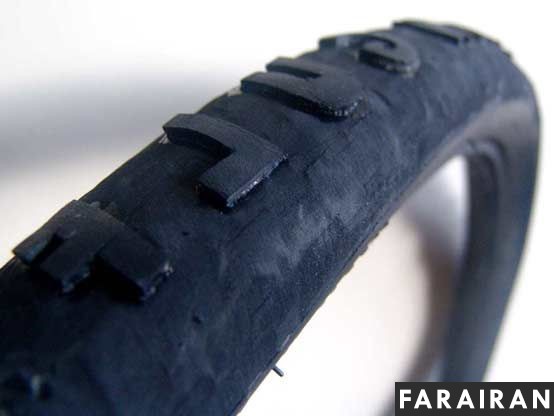
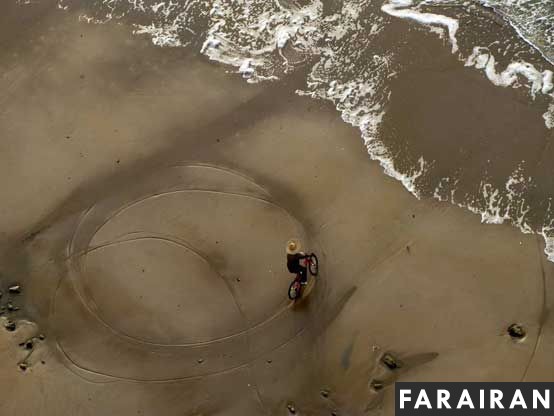
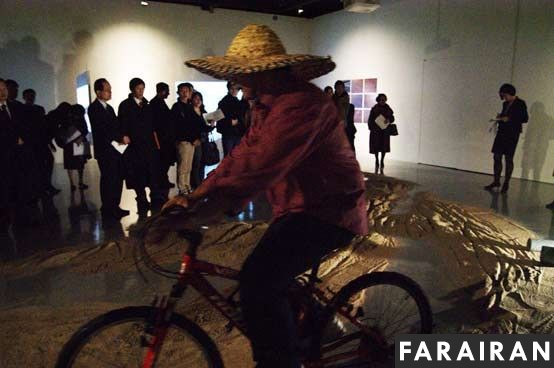
Bicycle-No-War
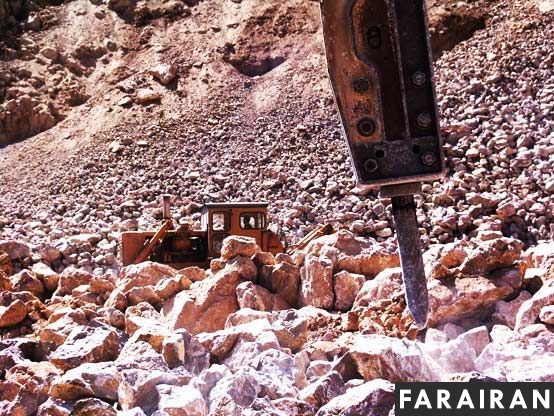
In the past, rituals and beliefs stipulated that elements such as water and earth remain pure; to pollute them was a sin. Today the descendants of those ancient societies have neither retained their divine beliefs nor gained the necessary know-ledge to combat the ecological crisis.
Polluted environments are the result of polluted emotions, thoughts and attitudes; a pure world belongs to a pure being.
The pollution of nature comes from the pollution of the human soul. We may be wrong in thinking we can work to save the environment; we have to realize that we too are part of the environment. All we need to learn is to stop polluting it any further. This awareness will help us humans more than anything else.
Environmental crises and the need to resurrect a pure environment call for a new art form. Environmental art can play an important role. Art is capable of illustrating the crisis, critiquing its conditions, and describing a utopian world.