Farairan’ Choice Reza Lavasani
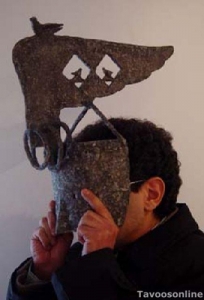
Born 1962, Tehran, Iran,
Education:
1991 B.A. in painting, Faculty of Fine Arts, Tehran University
1981 High School Diploma in Graphic Design, Tehran, Iran
Membership:
Member of Iranian Society of Painters
Solo Exhibitions:
2008 Dar Al-Funoon Gallery, “Planting New roots”, Kuwait
2007 Assar Art Gallery, painting exhibition, Tehran, Iran
2006 Tarahan-e Azad Gallery, installation exhibition, Tehran, Iran
2005 Mah Art Gallery, painting and sculpture exhibition, Tehran, Iran
2004 Assar Art Gallery, painting and sculpture exhibition, Tehran, Iran
2003 Elaheh Gallery, hand printing and sculpture exhibition, Tehran, Iran
2003 Iranian Artists’ Forum, hand printing and sculpture exhibition, Tehran, Iran
2002 Arya Gallery, sculpture exhibition, Tehran, Iran
2001 Tarahan-e Azad Gallery, hand printing exhibition, Tehran, Iran
2000 Barg Gallery, painting exhibition, Tehran, Iran
1998 Barg Gallery, painting and sculpture exhibition, Tehran, Iran
1994 Arya Gallery, painting exhibition, Tehran, Iran
Group Exhibitions:
2007 International House of Art for Children, Biennial of Illustrations, Bratislava, Slovakia
1994-2007 Noma Concourse, Tokyo, Japan
2006 The 12th Asian Art Biennale, Dhaka, Bangladesh
2006 University of Fine Arts, Mexico
2005 International House of Art for Children, Biennial of Illustrations, Bratislava, Slovakia
2000 The Tehran Museum of Contemporary Arts, the Second Biennial of Sculpture, Tehran, Iran
2000 The Tehran Museum of Contemporary Arts the Sixth Biennial of Graphic Design, Tehran, Iran
1999 Tehran Museum of Contemporary Arts, the Sixth International Biennial of Illustration, Tehran, Iran
1993 Tehran Museum of Contemporary Arts, the Third International Biennial of Illustration, Tehran, Iran
Other Activities:
Speeches made at different occasions and articles printed in various periodicals on the subject of illustration, sculpting and painting in Iran
2006 Works printed in the book “Contemporary Graphic Design in Iran” in Netherlands
2006 Works printed in Vroom Journal: The journal of drawIng and handmade illustration, UK
1995-1996, Works printed in The UNESCO calendar
Auctions:
2008 Sotheby’s Modern and Contemporary Arab and Iranian Art Sales, London, UK
2008 Bonhams Islamic and Indian Art Sales, Dubai, UAE
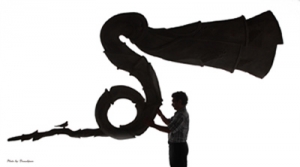
Reza Lavasani
Illustrator of Lyrics
Translated by Roya Monajem
The sculptor, illustrator, painter, Reza Lavasani was born in 1962 in Sarcheshmeh; one of the old residential quarters of Tehran which in his own words: continue their life only in films today; a neighborhood with small bazaars, narrow alleyways and their unique gorgeous light, arcades, carved wooden doors, stained glass windows of their houses, with the sound of peddlers, green-grocery and secondhand-clothes vendors echoing daily in them, associating times when beauty and aesthetics, art, science and philosophy were part of every day life and not the subject of academic discourses; when ‘conceptual art’ was not displayed in museums and galleries, but on drinking water bowls which with their textual engravings or images either wished blessing for the drinker or exhibited the fine handwork of some anonymous artist… “In the same way that Iranian architecture, the whole structure of a city is based on poetry, the decorative images which are also a part of architecture, are also considered as a part of a lyric… Our culture is the culture of poesy, all the works carried out by human beings in the past are inspired by poetry and lyrics and lyrics are allusions to love. There was a time when human life was closely bond to poesy; and poetry had deep roots in human being.”
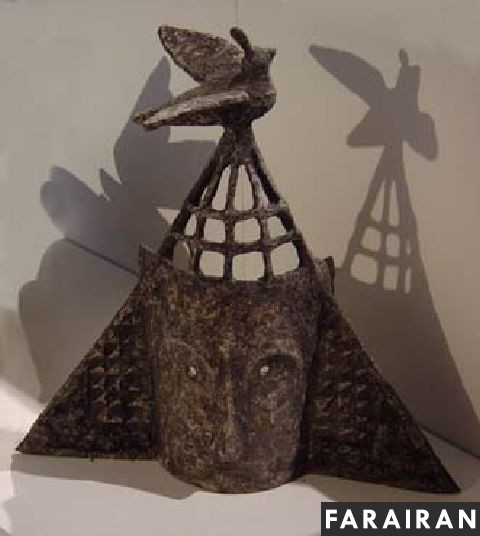
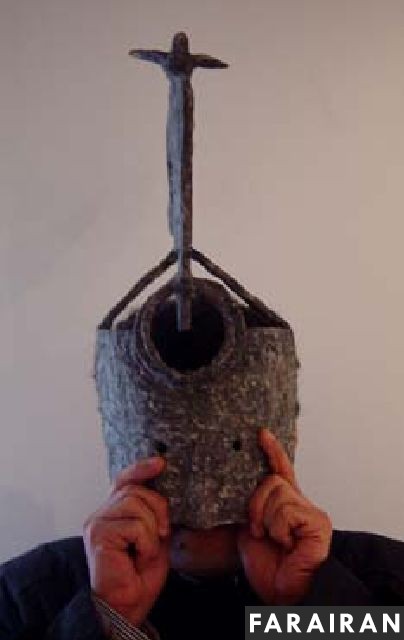
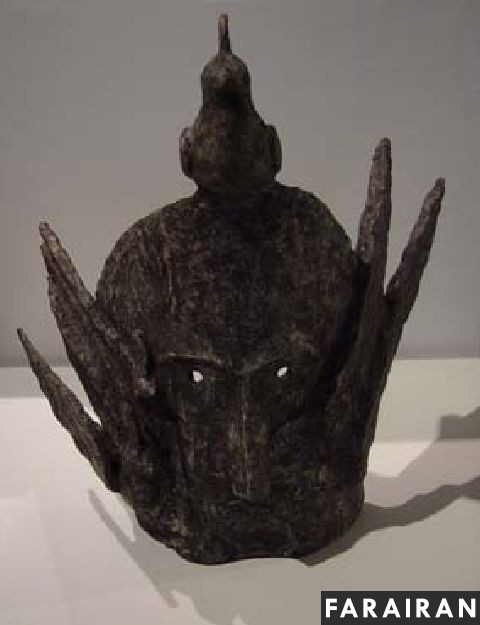
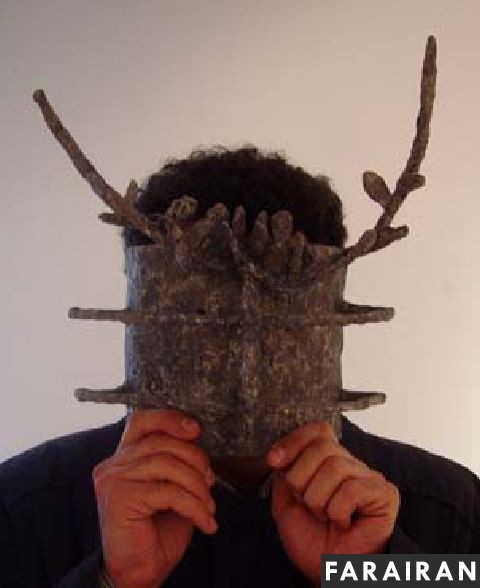
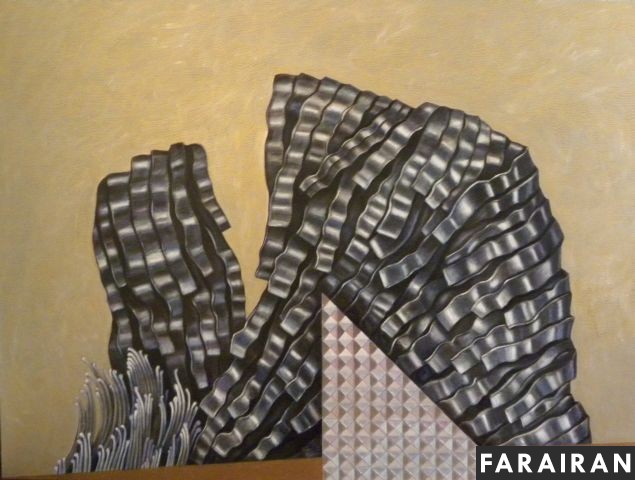
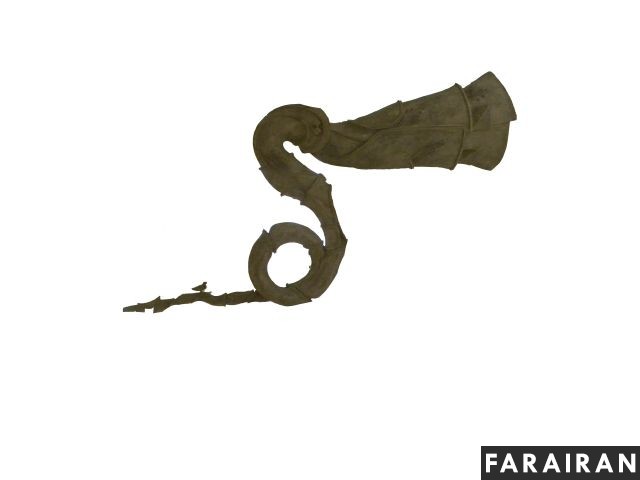
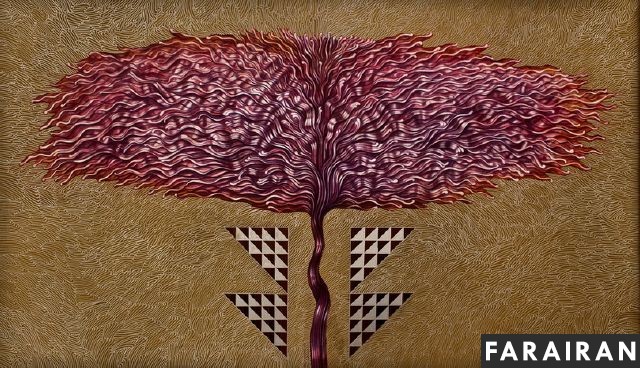
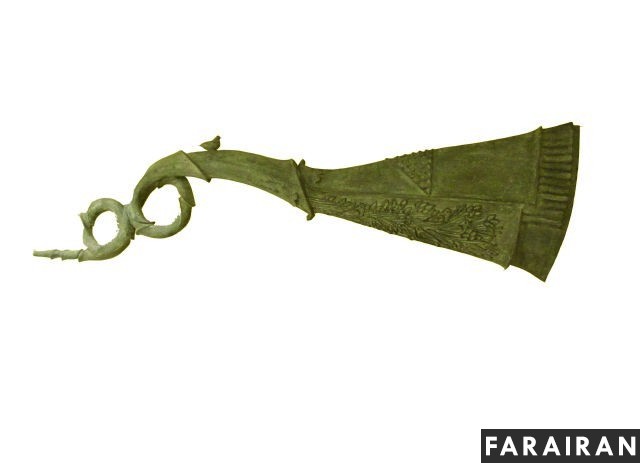
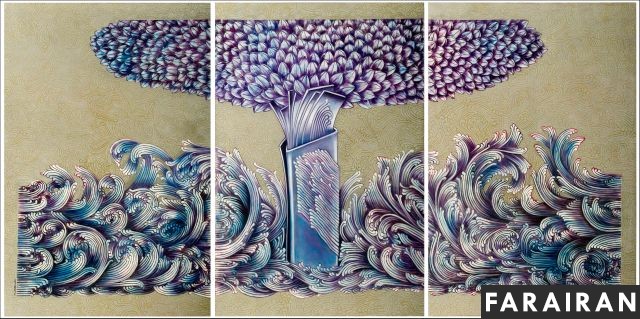
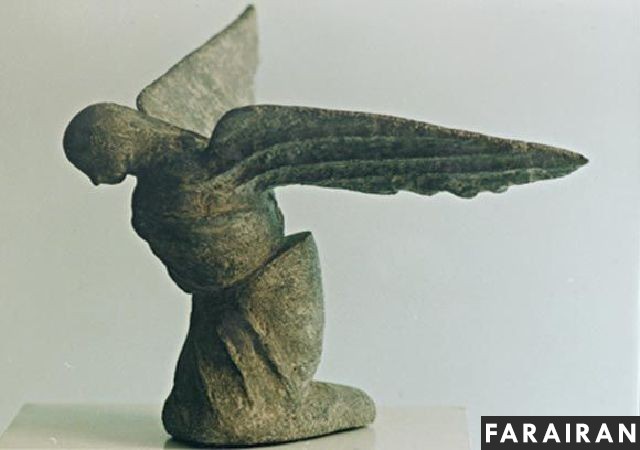
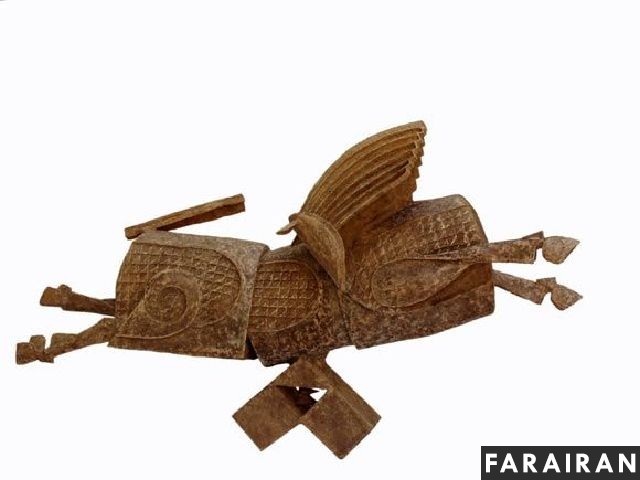
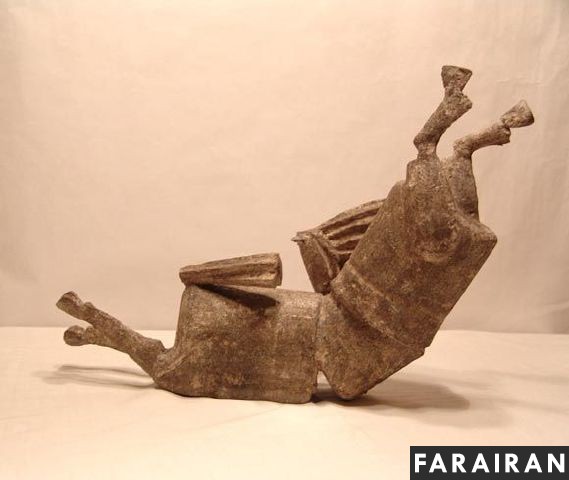
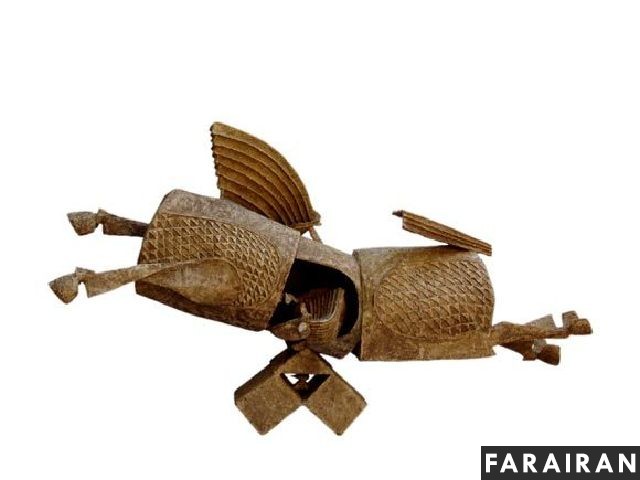
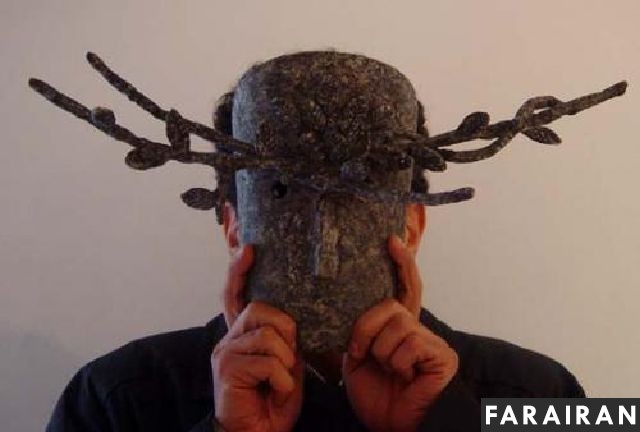
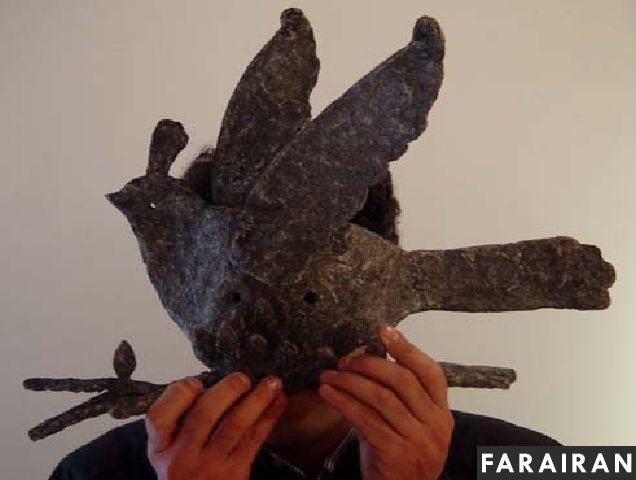
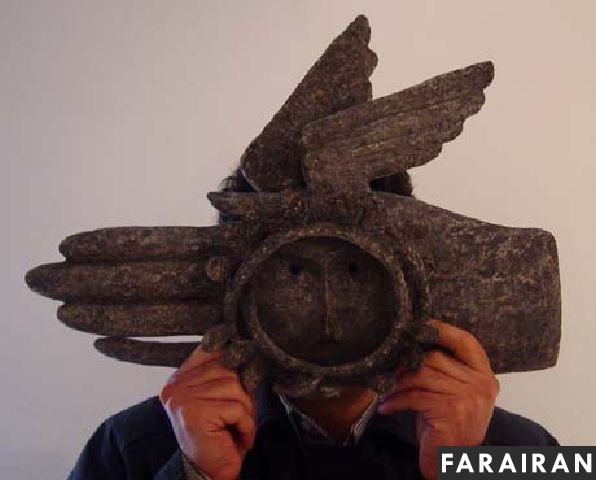
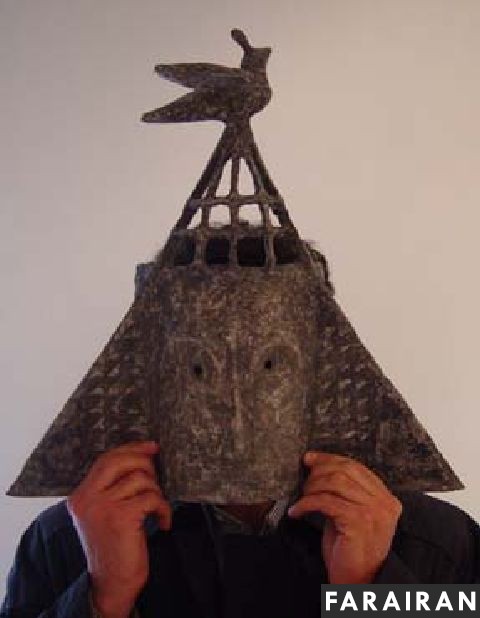
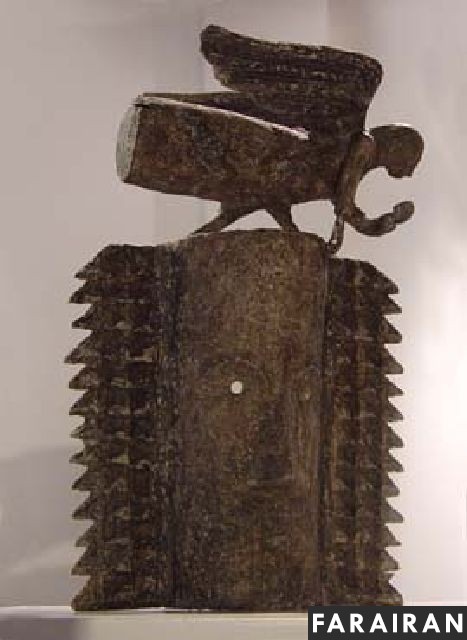
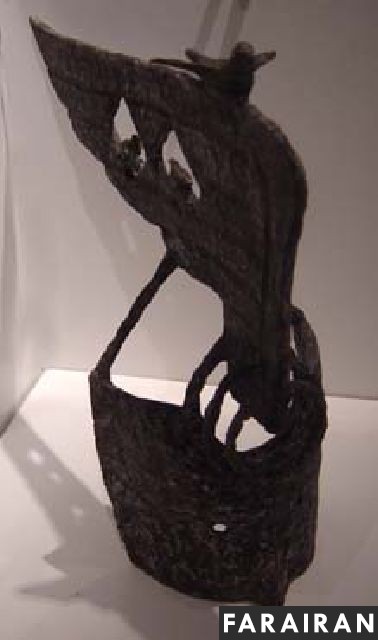
“It is years now that I am working with the language of poetry. Hafez’s and Molavi’s poems have inspired me for years now.” No wonder that his last series of sculptures titled Amazement (Asar Gallery 2011) all carry a name derived from the poetry of the above mentioned poets; ‘Seraphim’s Trumpet,” (or blowing in the sur) “Tree of Friendship,” “Trees are burdened”, “He is not to be found, he said,” and… The collection created out of papier mache evoke amazement for two reasons: their huge size and apparent solidity; which at the first glance appear to have been made out of some hard material like stone or metal.
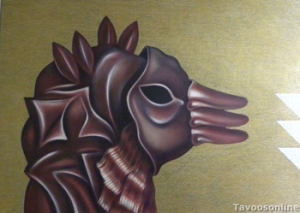
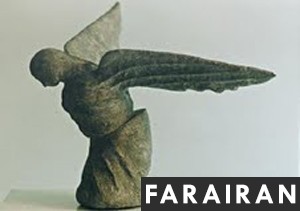
“When we think of sculpture, we usually think of stone and metal and seldom does this idea cross the mind that it is possible to make sculptures out of used paper, while the use of papier mache in making various objects such as pen-holder, book-cover or table has been prevalent in Iran from long time ago… The question of reclamation, restoration and recovery has been one of my main preoccupations.”
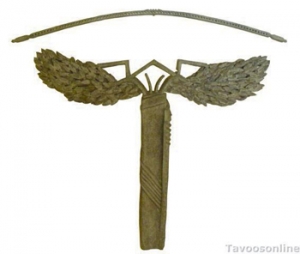
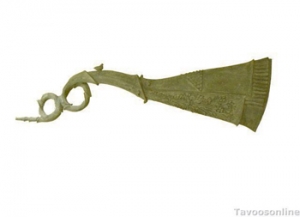
In regard to the huge size of his sculptures, Lavasani says: “The path to inner world usually begins from the outer world. Therefore, we should first create things which would be seen. It is only later that the nature of the artist’s world is revealed,’ which in this collection expresses the artist’s preoccupations with one of the spiritual stages of Persian Mysticism or in Attar’s terminology one of the cities of Love, called Amazement (also translated as Bewilderment).
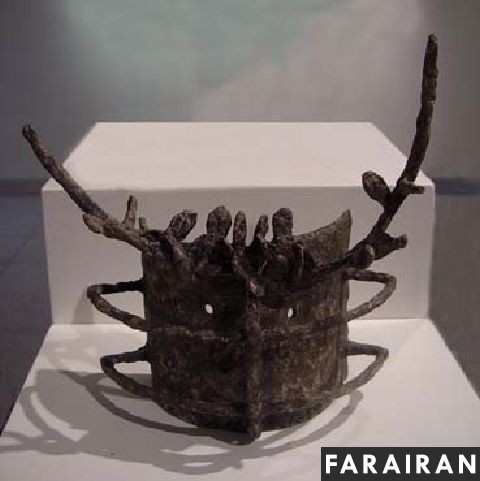
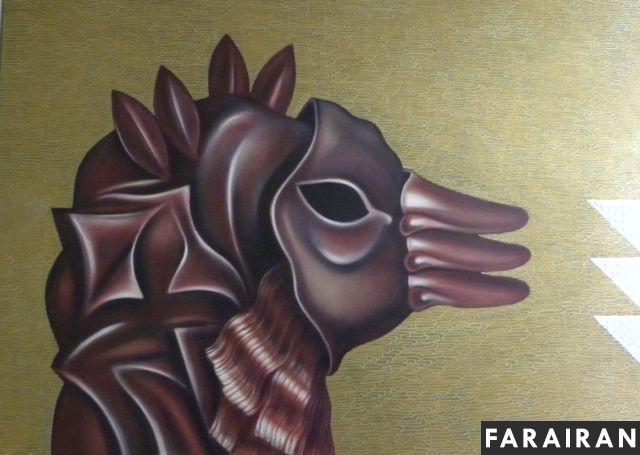
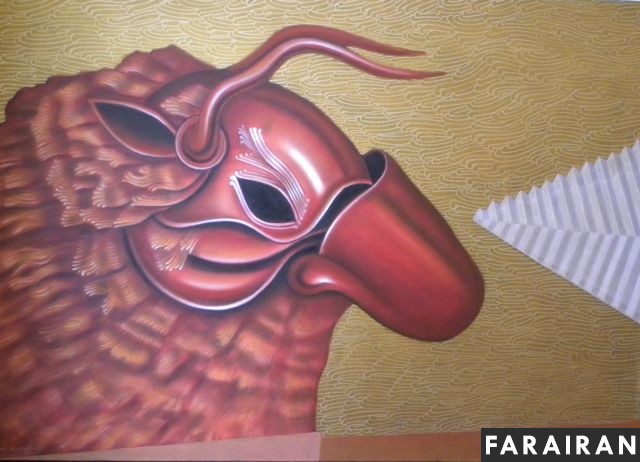
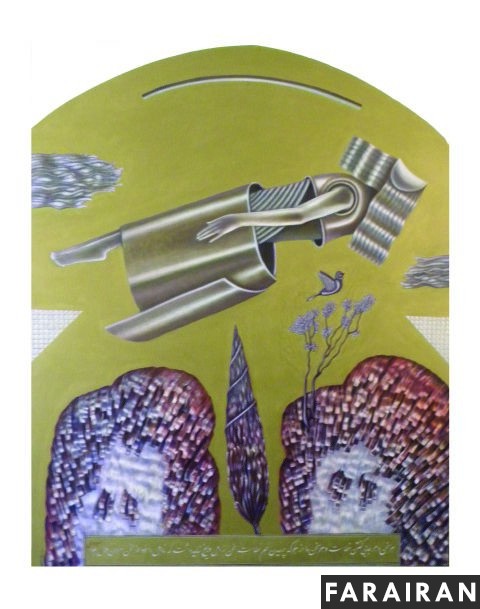
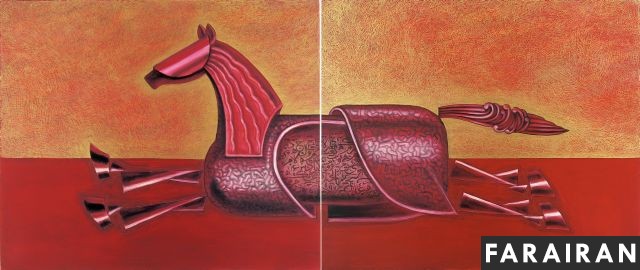
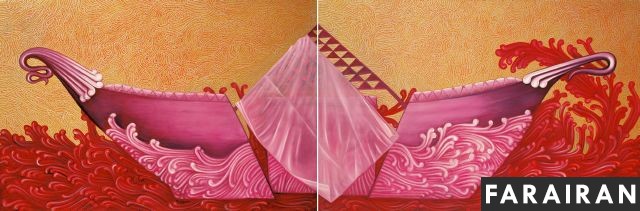
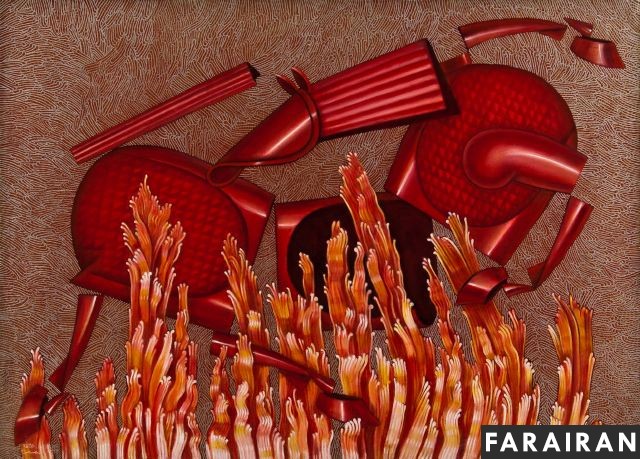
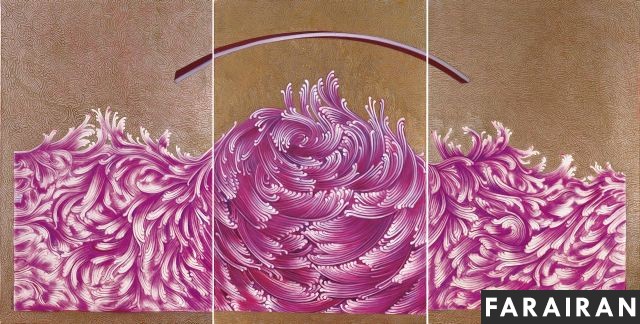
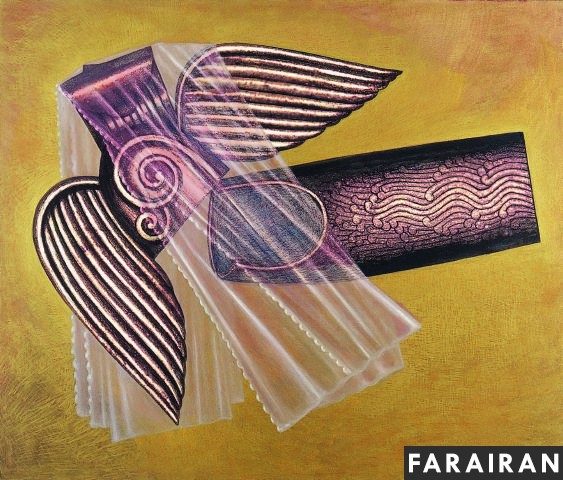
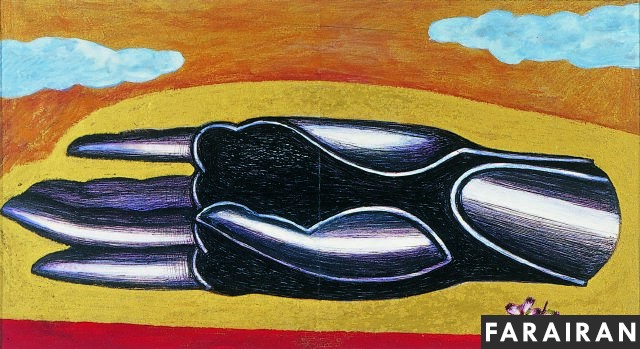
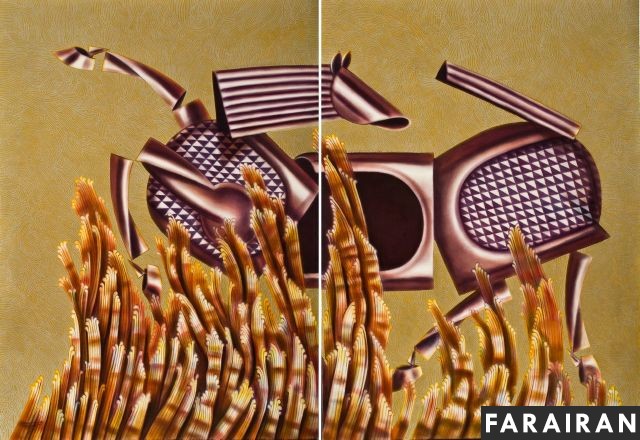
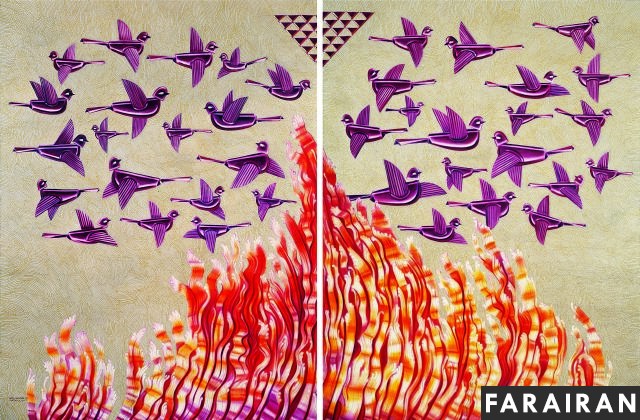
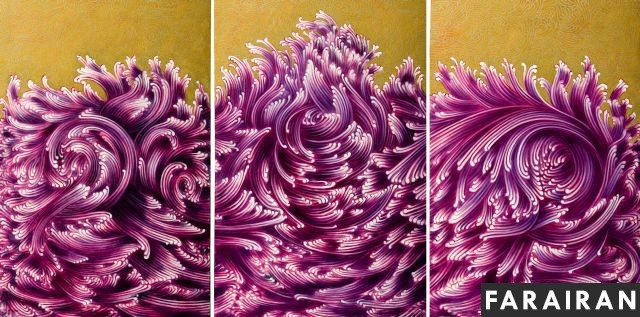
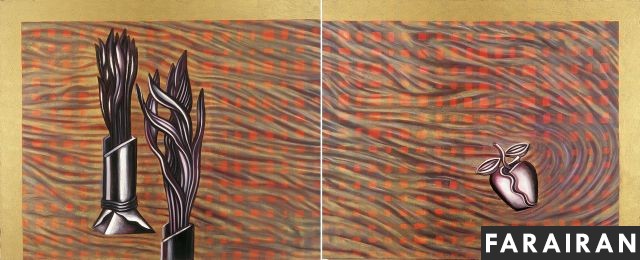
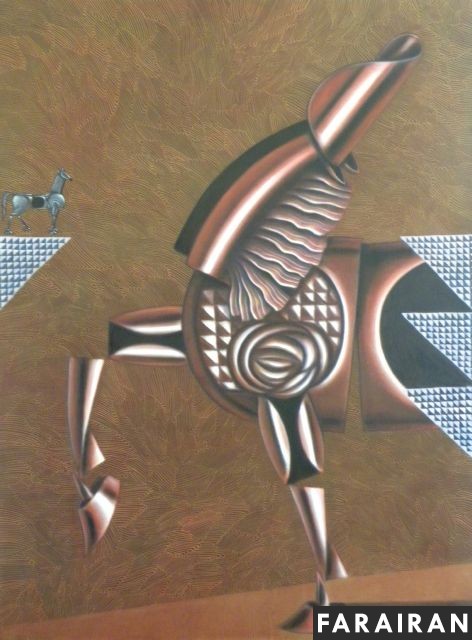
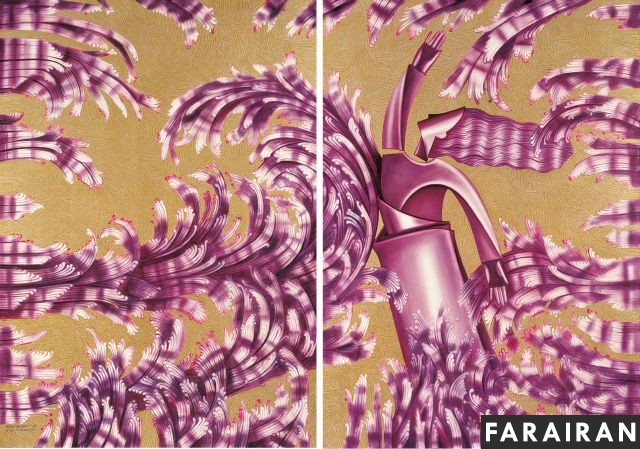
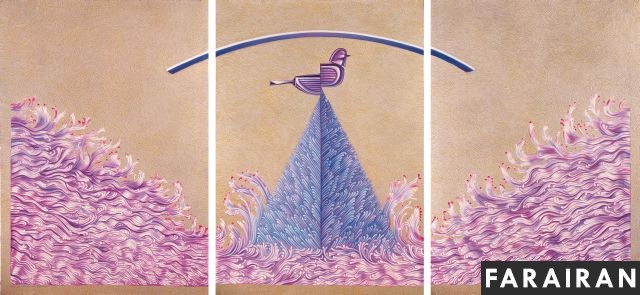
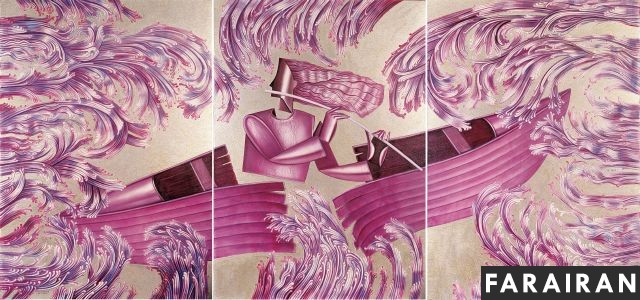
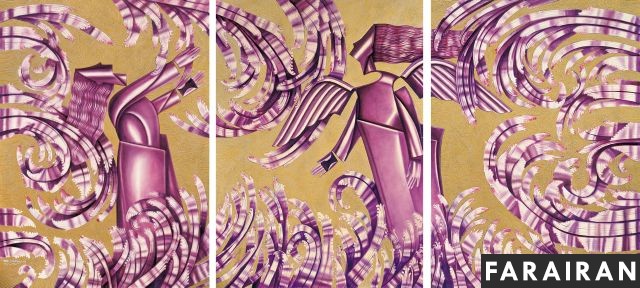
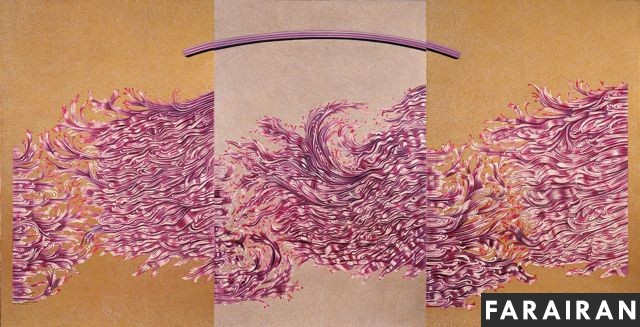
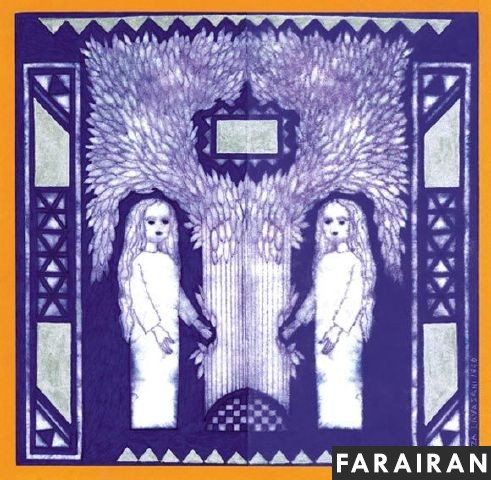
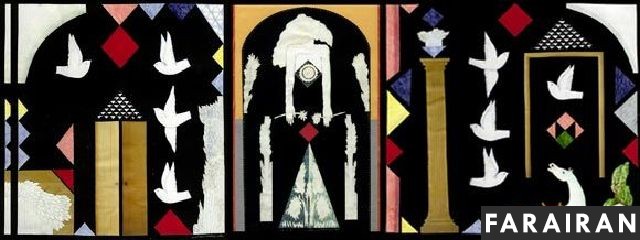
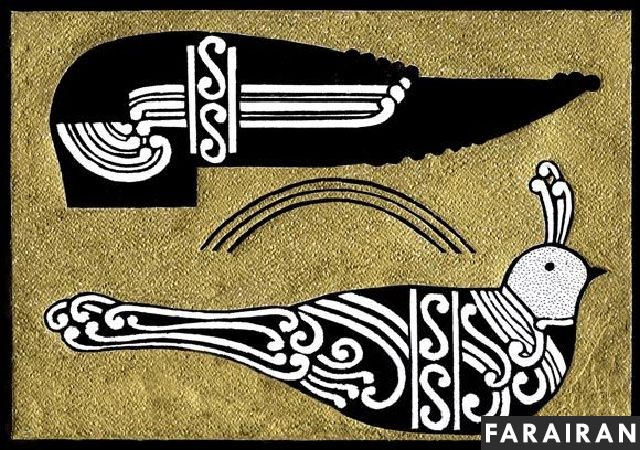
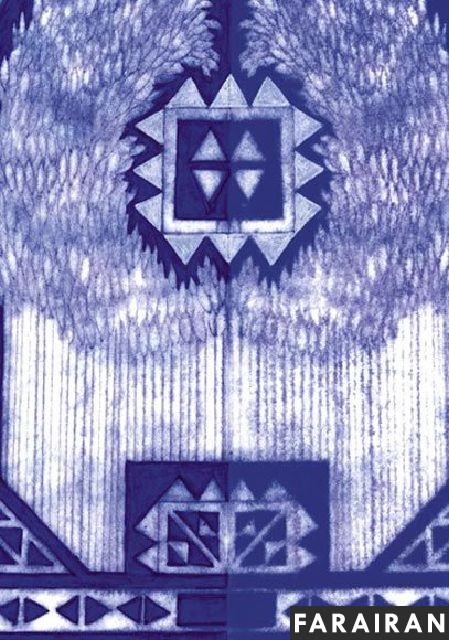
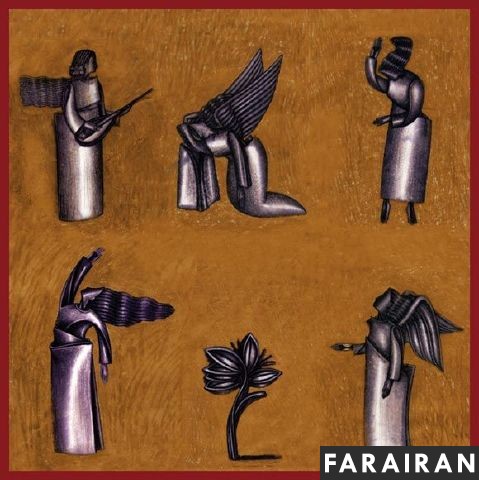
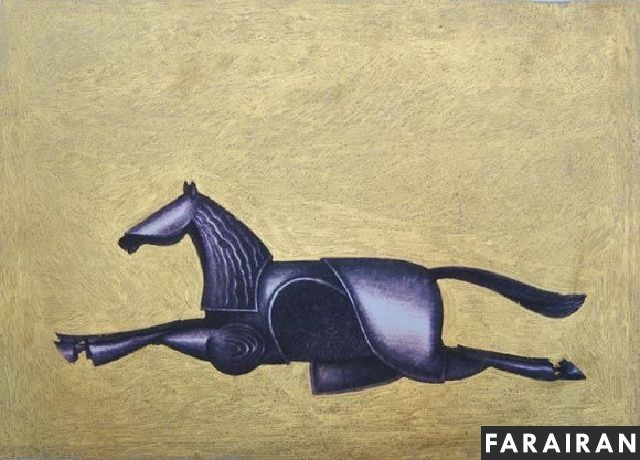
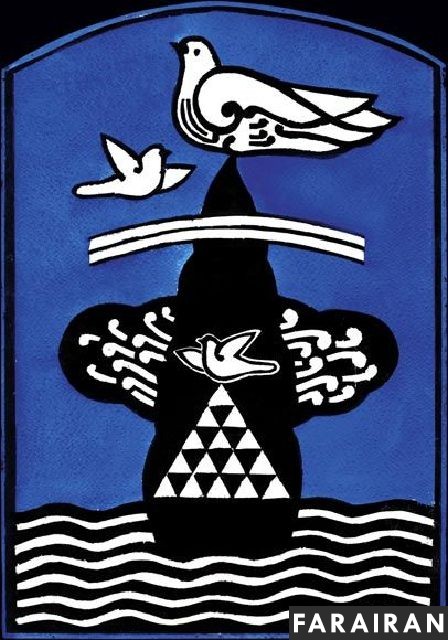
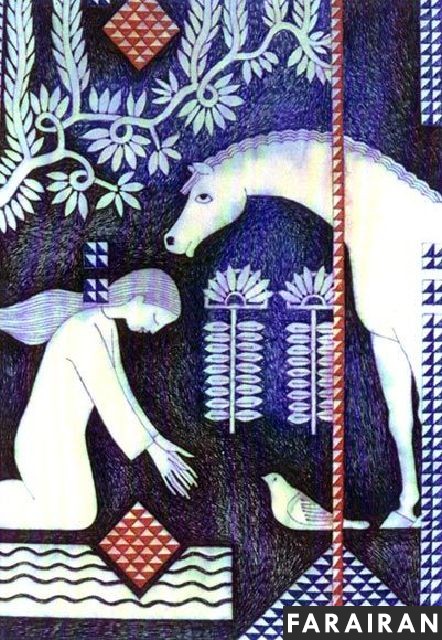
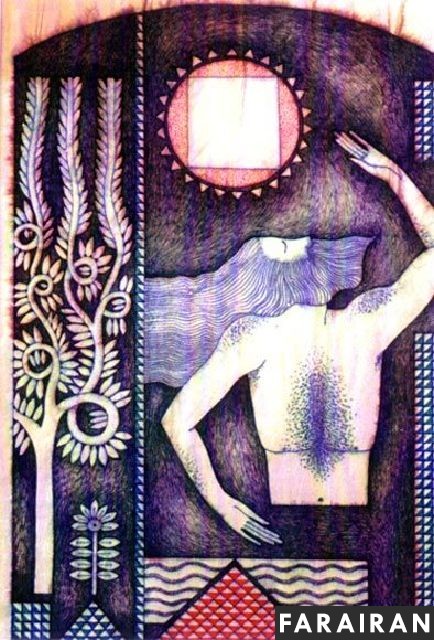
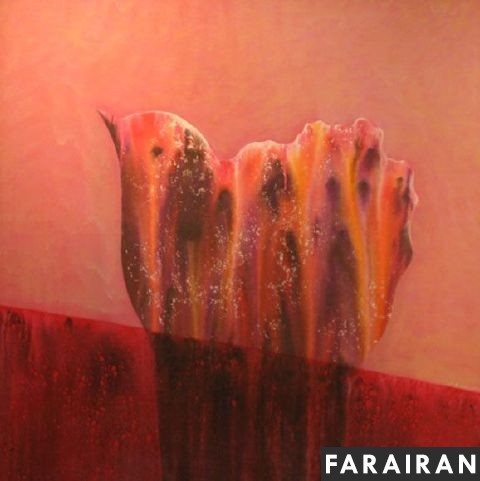
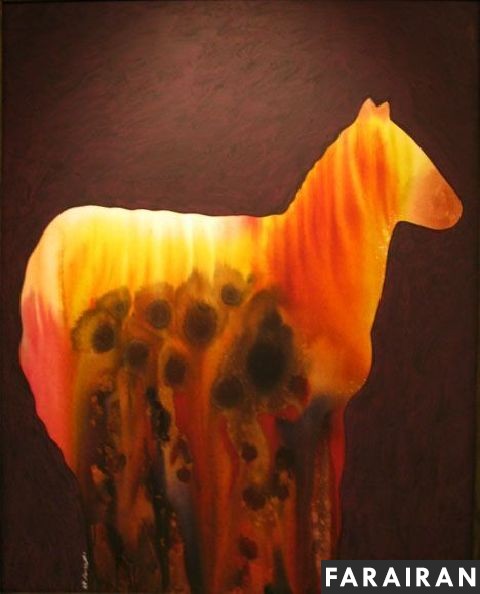
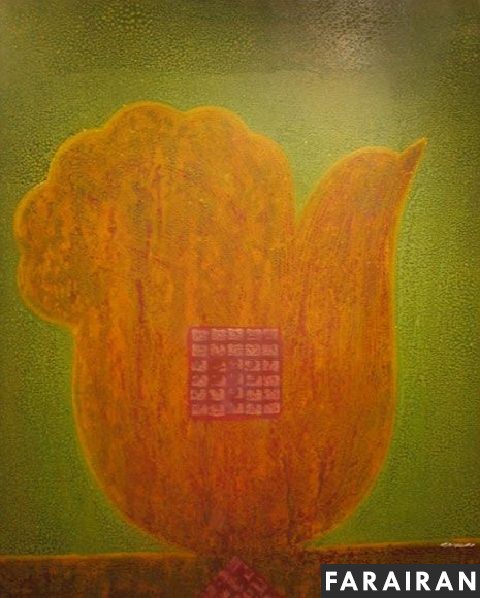
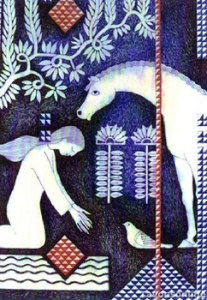
“The spectrum of Lavasni’s works, though not very broad and expansive, is a combination of two attitudes or approaches to visual arts: a decorative, very ornamental and colorful approach with their compositions based on symmetry displaying a kind of balance and harmony in the application of images and motifs. Nearly all his non-plastic works possess this vertical structure associating wall paintings of Iranian Palaces or stained-glass paintings. The vertical composition is divided in two, right in the middle and images with all their detailed colorful decorations are repeated in a symmetrical way. Their graphic structure complements their decorative form and it is this harmony which bestows them balance and equilibrium.
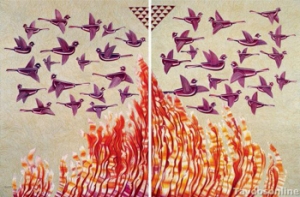
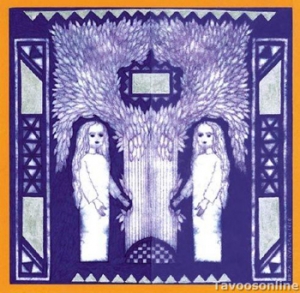
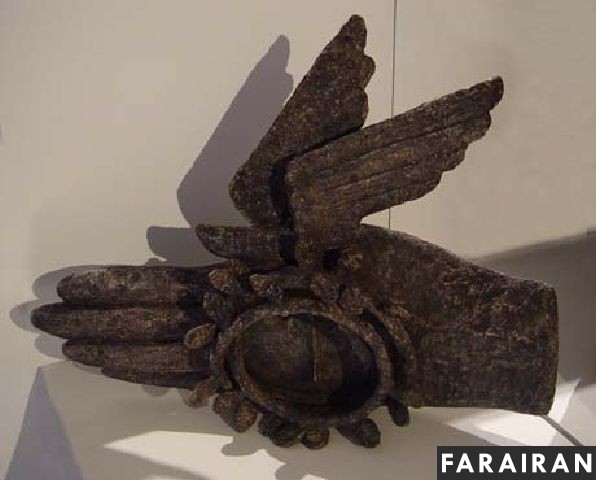
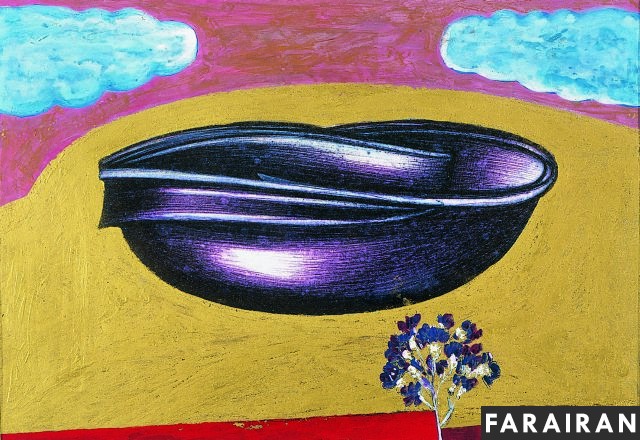
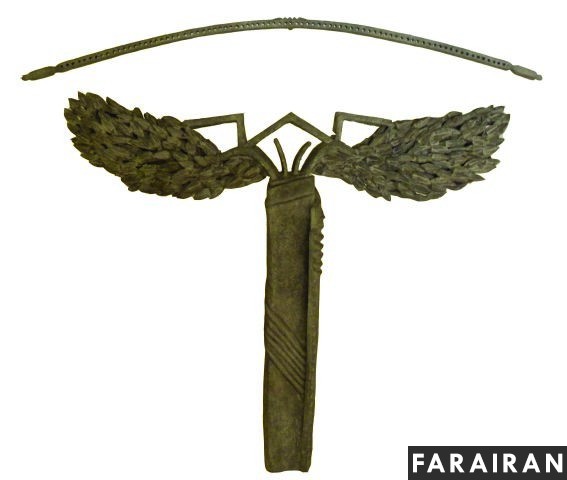
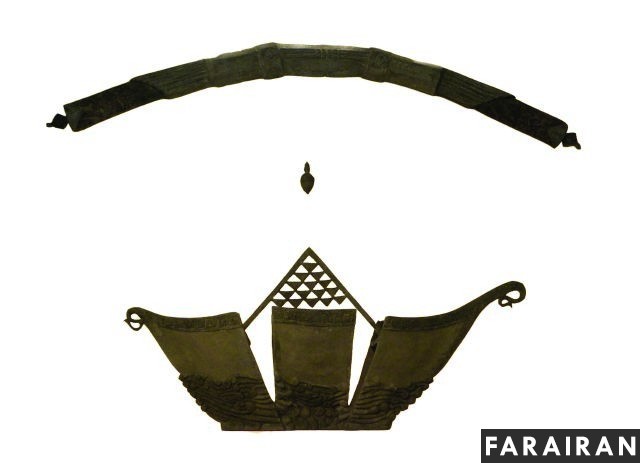
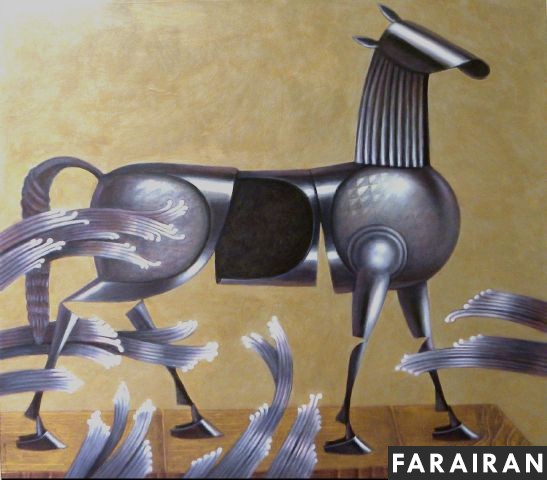
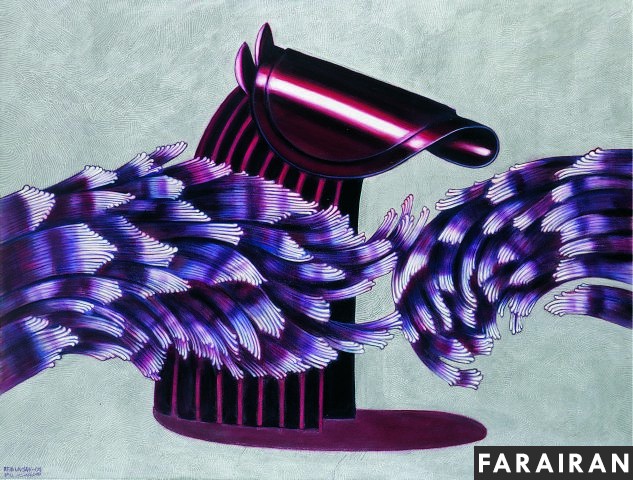
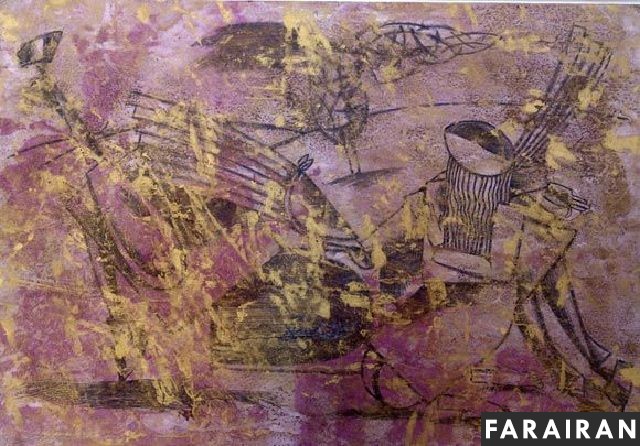
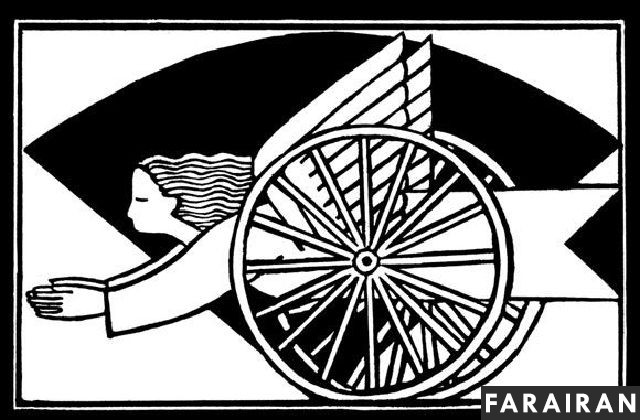
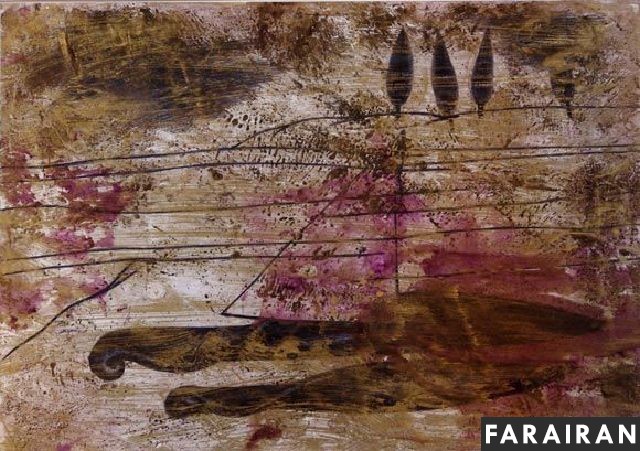
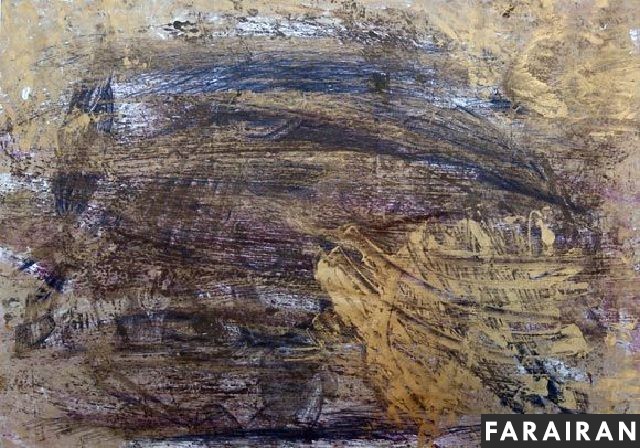
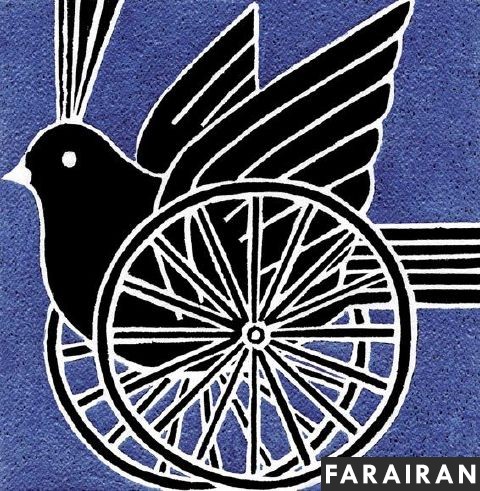
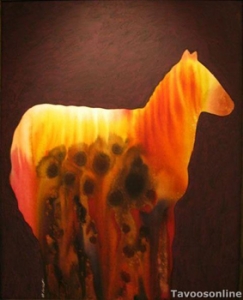
This vertical structure is generally repeated in his quasi-engravings and musical instruments as well, with the exception that here a single thick heavy color has replaced numerous dense colors. The decorative quality has been reduced and their graphic features more hidden. It is as though little by little the artist comes down from the heaven to the earth. The three dimensional works gradually are transformed to earthly forms and the element of color, that is the palette of numerous dense thick colors gives its place to economical use of color. In this way color loses its decorative ornamental characteristic and changes into an expressive element.”
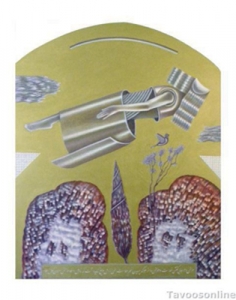
If the philosophical or mythological motives of his early works are elaborated, pluralistic and multidimensional, they are gradually replaced by certain definite symbols.
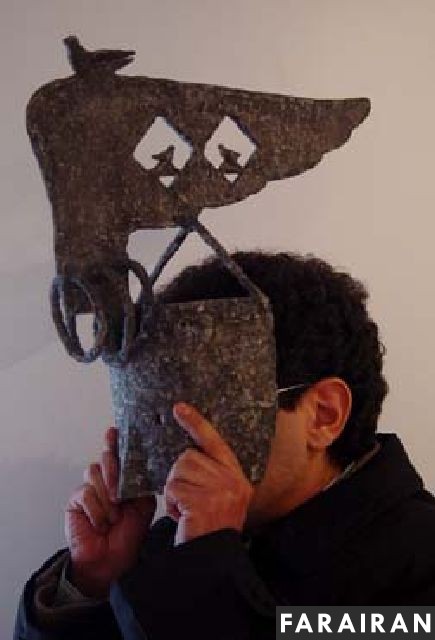
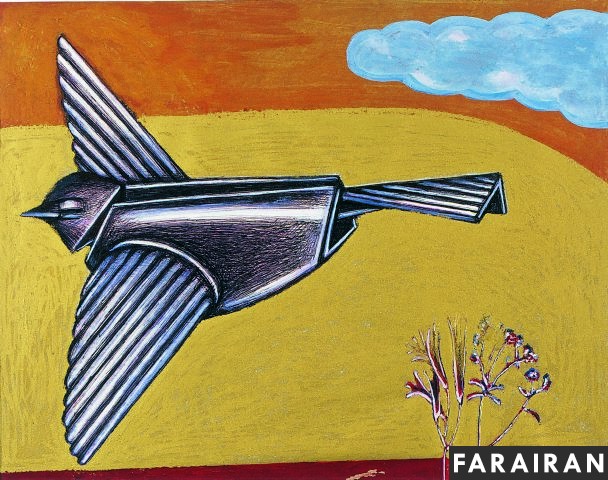
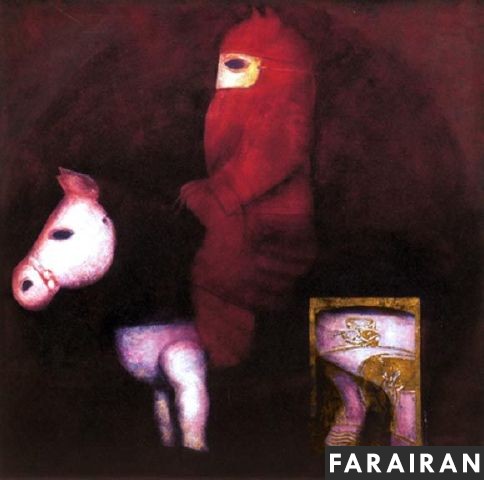
Lavsani learns and experiments to pour his painterly world with all its mythological extra-terrestrial symbols into more earthly, private rather than some ready-made cliché forms and shapes. His birds are placed in the heart of horses and religious or mythological icons in the heart of simplified profane terrestrial forms. His crowded detailed decorative colorful compositions, give their way to apparently more private simplified forms. His symbolism, with the use of all those heavy mythological motifs and symbols, are now manifested in simplified shapes, with the least use of forms and colors.”
“A closer look at the heart of Lavasani’s works reveals his obsession with compilation of fanciful images and themes, including angels and prophet-like human beings which knows no limit, bestowing a fresh richness and status to these sacred forms.”
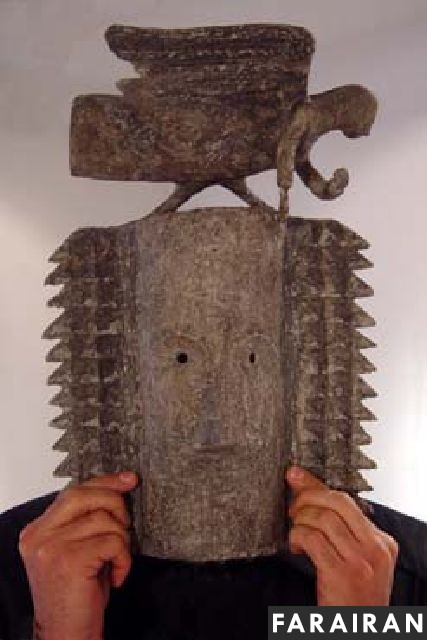
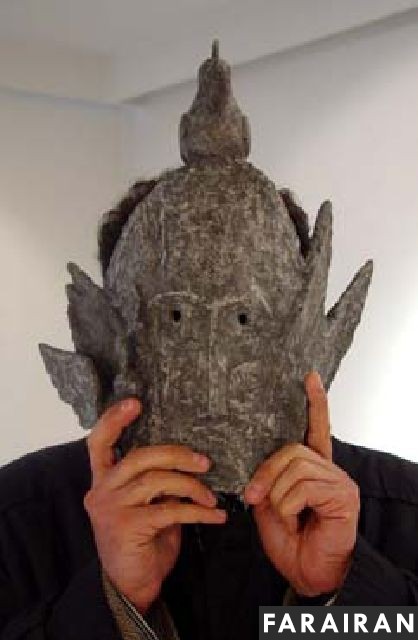
Lavasani’s other artistic activities include stage design, production of masks for theater, designing for teaching kits in the field of painting and illustration of 35 books inside and outside the country. He has won several prizes inside and outside Iran and his works have appeared in Iranian Contemporary Graphic Arts published in the Netherlands, the English Verum Magazine and UNESCO’s calendar.
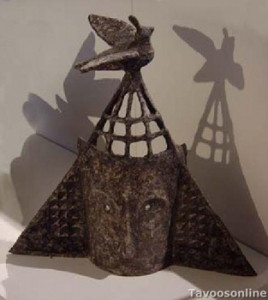
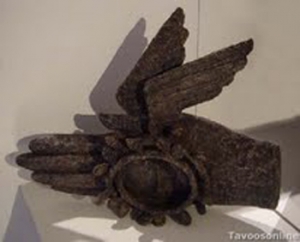
Although it is not possible to classify Lavasani as a painter, illustrator or sculptor, but what he has created in the field of illustration is in harmony with what can be seen in his sculptures; while his sculptures are his illustrations and paintings surging out of pure imagination finding meaning in a three dimensional forms.
Sources:
Reza Lavasani’s interview with Ethics and Arts Newspaper, November 2011, No. 25161
Omid Rohani, Mirror, Reza Lavasani’s Selected Works, Nazar publishing house, Tehran, 2004.